Storage Requirement
Product type, temperature range, stock volume, loading frequency and door use are confirmed before the room is sized.

Cold Storage Solutions
Cold room design, installation and servicing for chilled and frozen storage across Kenya.
We survey the site, calculate the storage load and install insulated rooms, refrigeration equipment, controls and drainage for food, pharmaceuticals, flowers, beverages and industrial products.
Stable Temperature
Site Fit
Food Safe Storage
Scope Clarity
Insulated Panels
Careful Checks
Reliable Cooling
Aftercare
Overview
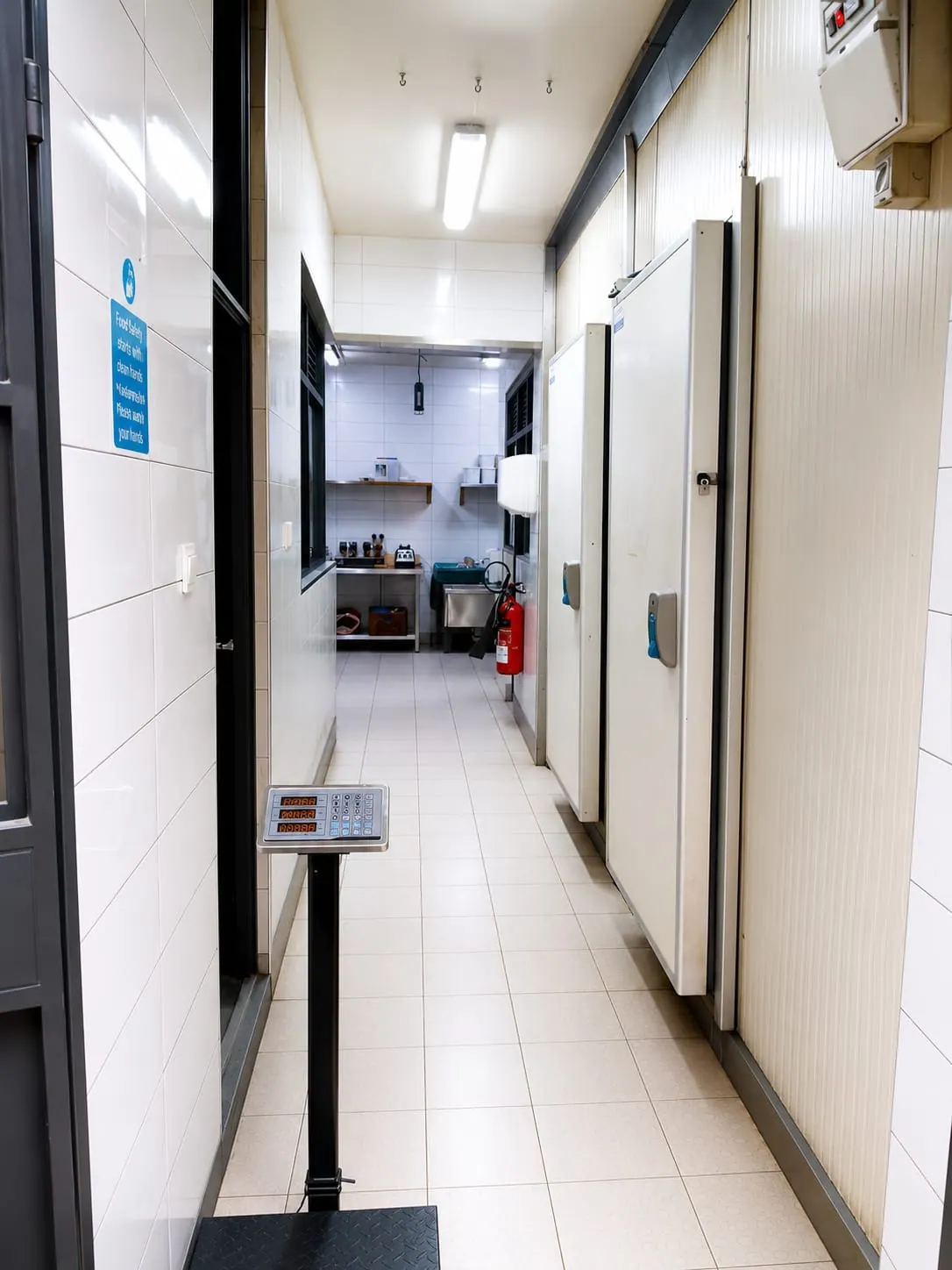
A dependable cold room starts with the product, target temperature, daily loading volume, door traffic and the time available for temperature recovery.
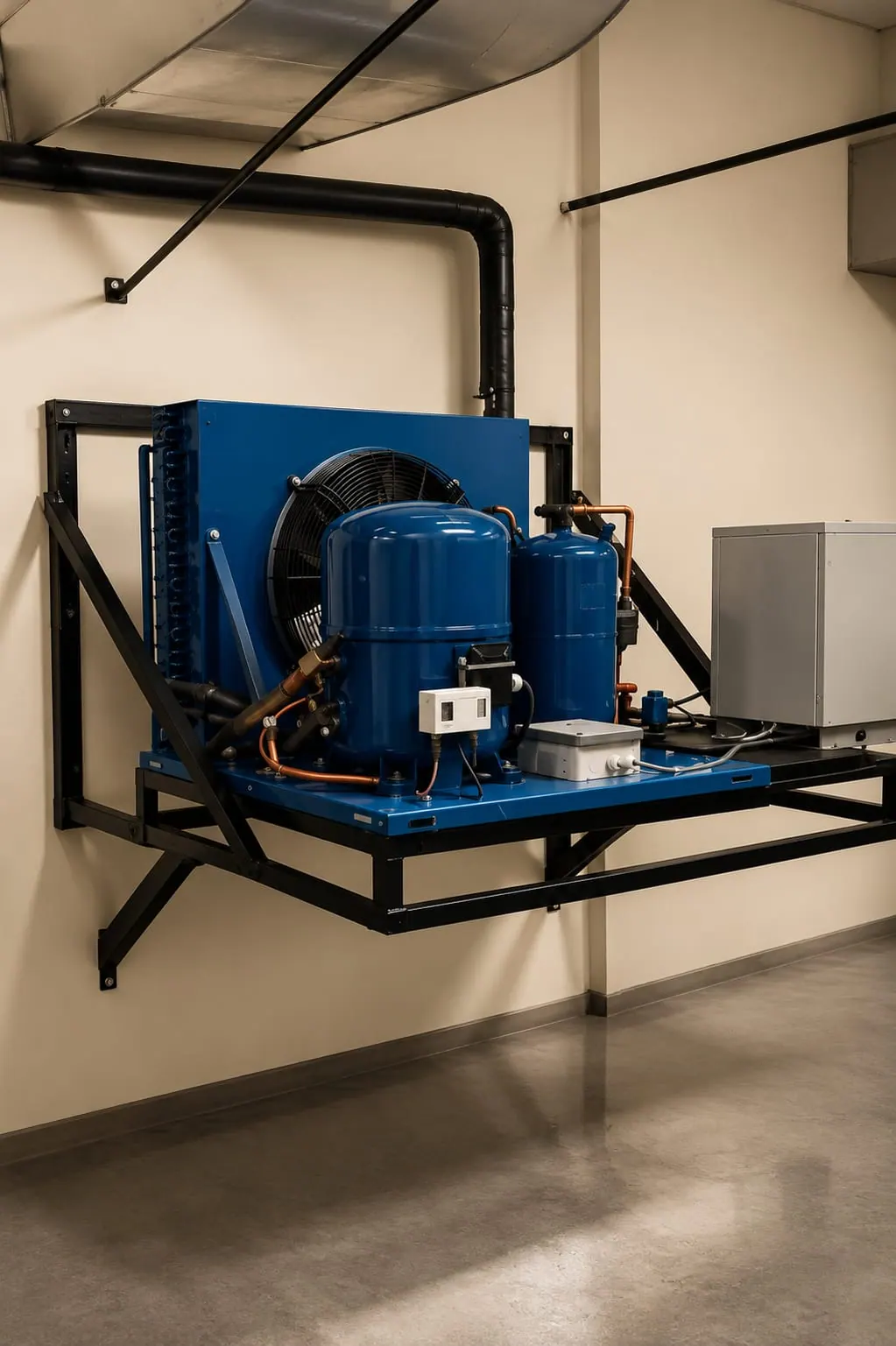
We use those site details to size the room, insulation, evaporator, condensing unit and controls, then plan drainage, electrical protection and safe service access.
The completed room is commissioned by checking controller response, airflow, door sealing, drainage, defrost operation and temperature pull down before handover.
Practical Guidance
We start with what you store, how quickly it arrives, how often the door opens and how long the room has to recover after loading. Those details shape the room and the refrigeration equipment before installation begins.
A produce chiller, a freezer for frozen food and a room for medicines have different temperature, monitoring and access needs. We confirm the product specification before choosing a target range or control arrangement.
Stock volume, incoming product temperature, shelving, door traffic and future growth affect room size and cooling load. We also check the available power, drainage and space around the condensing equipment.
The scope covers insulated panels, doors, evaporators, condensing units, pipework, controls and electrical protection. We plan airflow and service access alongside the equipment so the room remains practical to operate.
We check door sealing, drainage, defrost, controller response, alarms where specified and temperature pull down. The handover includes guidance on loading, temperature records, cleaning and planned maintenance.
Project Detail
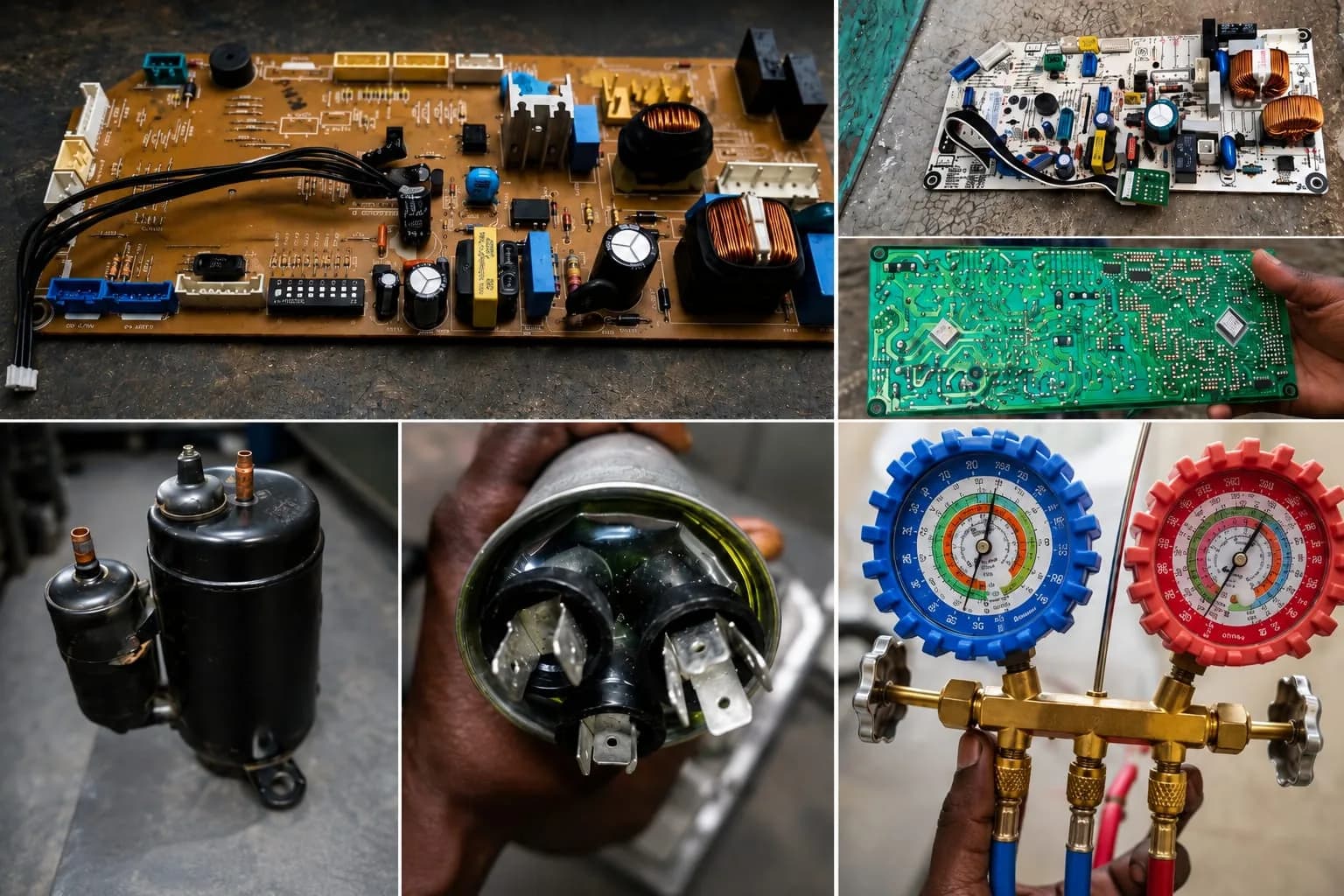
These images show the room enclosure, refrigeration plant and components that influence access, storage conditions and future servicing.
Key Features
For chilled and frozen storage, room size, evaporators, condensing units and controls are matched to product load and door traffic. That keeps storage conditions stable even when staff are loading stock or opening doors frequently.
Cleanable finishes, reliable temperature control, correct airflow and service routines help protect chilled and frozen goods. It also supports hygiene, product quality and compliance for food, flowers, pharmaceuticals and chilled goods.
Panel thickness and finish are selected to suit the required storage temperature, room size and site conditions. Good insulation reduces heat gain, eases compressor workload and improves temperature recovery after door openings.
Compressor, condenser, evaporator and control selection is matched to the products stored and the hours the room operates. This protects stored products while reducing avoidable strain on the refrigeration equipment.
Clear access to evaporators, drains, controls and condensing units is planned into the layout for faster servicing. Technicians can reach key components safely, which shortens downtime during repairs and scheduled maintenance.
Systems & Equipment
Walk-in cool rooms for produce, dairy, beverages, hotels, restaurants and supermarkets.
Pharmaceutical cold rooms designed for stable 2 to 8 degrees Celsius storage.
Freezer rooms, chiller rooms and modular cold rooms for long term product storage.
Temperature controls, evaporators, condensing units, insulated panels and cold room doors.
Common Problems We Solve
Cold rooms not holding temperature because of insulation gaps, door seal failure or refrigerant issues.
Excessive power consumption caused by poor insulation, overworked plant or incorrect controls.
Ice buildup from humidity ingress, faulty defrost or poor door discipline.
Product spoilage risk caused by unreliable equipment or lack of preventive maintenance.
Our Process
Product type, temperature range, stock volume, loading frequency and door use are confirmed before the room is sized.
Panel thickness, door position, shelving space, airflow path and equipment access are planned around the available site.
Evaporators, condensing units, controls and alarms are selected to match the storage temperature and product risk.
Insulated panels, doors, pipework, drainage and refrigeration plant are installed with hygiene and service access in mind.
The room is tested for temperature stability, controller response, door sealing, airflow and alarm behavior.
The client receives operating guidance for loading, cleaning, temperature logs and maintenance visits.
Ideal For
Food and beverage businesses use cold rooms to preserve freshness, slow spoilage and hold stock at safe temperatures.
Pharmaceutical facilities need stable cold rooms with monitoring and alarms for vaccines, medicines and sensitive supplies.
Hotels and restaurants need walk in storage that supports kitchen workflow and safe ingredient holding.
Retail and supermarkets use back of house cold rooms to buffer deliveries before goods reach display cases.
Agriculture clients use cold storage to reduce post harvest losses and hold produce until market movement is practical.
Cold chain logistics sites need robust rooms with monitoring for warehousing and distribution of sensitive goods.
Related Services
Brands We Install & Service
We match cold rooms equipment, parts and controls to the installed system, site conditions and service history in Kenya.
Why Choose M-Cool
We confirm the stored product and its temperature specification before recommending room size or equipment.
We review loading habits, door use, power supply and drainage during the site assessment.
Our installation scope includes the room enclosure, refrigeration plant, controls and commissioning checks.
We explain loading, temperature records and maintenance needs at handover.
Service Areas
We plan cold room work around the product, site access, power supply and support available at each location across Kenya.
FAQs
Share the product, required temperature, daily volume, room dimensions, site location, loading pattern and available power. We confirm the final scope after assessing the site.
Yes, where the space can accommodate the room, refrigeration plant, ventilation, drainage, power and service access. A site survey checks those conditions first.
The required range depends on the product and its storage specification. Food, flowers, medicines and frozen products need different controls and monitoring.
We check temperature pull down, airflow, door sealing, drainage, defrost and controller response. We test alarms when they form part of the agreed system.
Yes. The service plan can include temperature review, coil and condenser cleaning, door seal checks, drainage, controls and refrigerant circuit inspection.
Related Resources
Related Projects
Tell us what you store, the required temperature, daily volume and proposed room dimensions. We can use those details to prepare for a site assessment.