Controls Audit
Existing HVAC, chiller, VRF, ventilation and refrigeration controls are reviewed for integration readiness.

BMS Integration
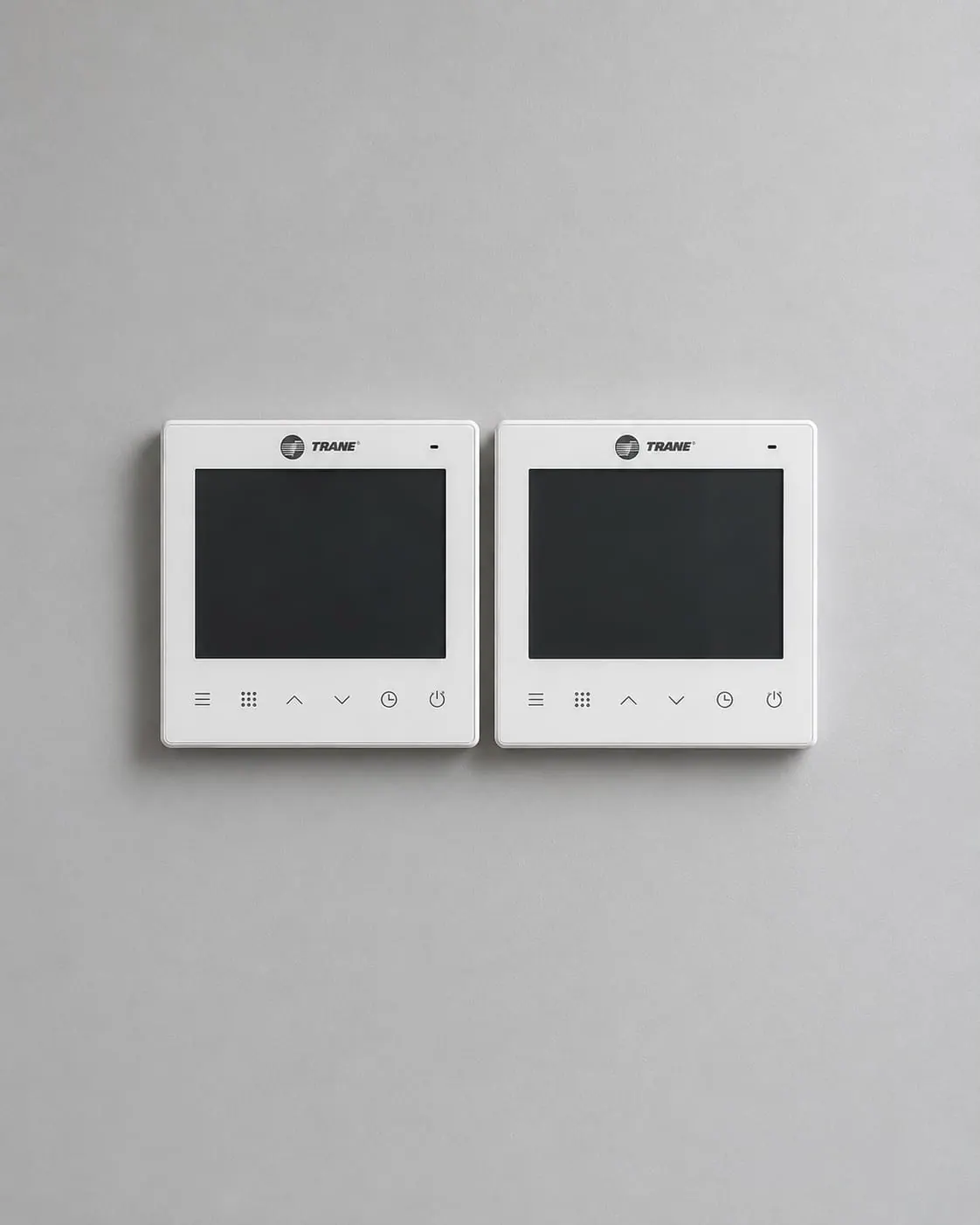
BMS integration for HVAC controls, monitoring, scheduling, energy reporting and facility visibility.
M-Cool Electro integrates building management systems that help facility teams monitor HVAC, refrigeration, ventilation and plant equipment from a central interface. A properly commissioned BMS improves visibility, supports energy management and helps teams respond faster to faults.
Central Monitoring
Site Fit
Energy Scheduling
Scope Clarity
Fault Alerts
Careful Checks
Open Protocols
Aftercare
Overview
A BMS gives managers a clearer view of temperatures, schedules, alarms, equipment status and energy patterns across the building.
We integrate HVAC, VRF, chiller, ventilation and refrigeration systems using practical controls that suit the building, budget and existing equipment.
Our team supports commissioning, operator training, sensor checks, software updates and ongoing maintenance so the system remains useful after handover.
Project Detail
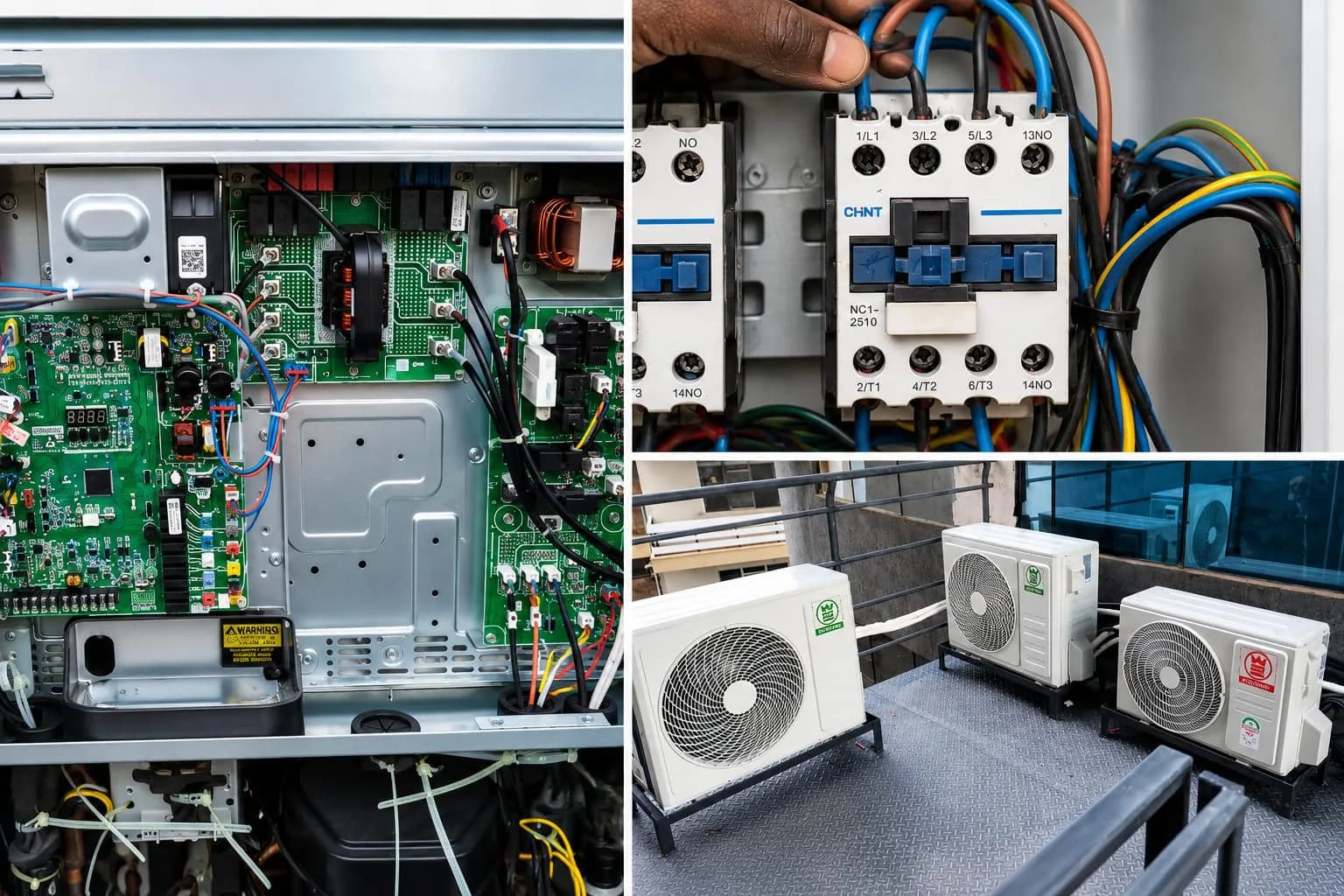
These project visuals show practical site conditions for building management systems, including access, equipment placement and the checks guided by commercial buildings.
Key Features
HVAC, ventilation, refrigeration and plant equipment are brought into one view so facility teams can respond faster. This reduces the need to check every piece of equipment manually across a large facility.
Equipment operation is aligned with occupancy, trading hours, room use and business routines to reduce waste. Better scheduling helps equipment run when needed and rest when rooms are empty.
Abnormal temperatures, runtime issues, sensor faults and equipment alarms are easier to notice before complaints grow. Earlier alerts give technicians more time to investigate faults before they become service complaints.
Integration is easier where installed equipment supports BACnet, Modbus or other common communication standards. Open communication planning also makes future upgrades easier where compatible equipment is installed.
Dashboards, schedules, alarms and reports are explained clearly after the controls are handed over. Good handover helps operators use the system confidently instead of leaving dashboards ignored.
Systems & Equipment
HVAC, VRF, chiller, ventilation and refrigeration monitoring from one facility dashboard.
Temperature, humidity, pressure, runtime, alarm and fault status visibility for critical equipment.
Scheduling, setpoint control and energy reporting to reduce unnecessary operating hours.
BACnet, Modbus and open protocol integration where equipment supports it.
Sensor calibration, network checks, alarm testing, software updates and maintenance support.
Common Problems We Solve
Facility teams discovering faults late because systems are monitored manually or not monitored at all.
Unnecessary energy use from equipment running outside occupancy hours.
Poor comfort and slow response because alarms, temperatures and equipment status are scattered.
Existing HVAC, VRF or chiller systems not integrated into a central control strategy.
Our Process
Existing HVAC, chiller, VRF, ventilation and refrigeration controls are reviewed for integration readiness.
Temperatures, alarms, schedules, setpoints, runtimes and equipment status points are selected for monitoring.
BACnet, Modbus or other available communication paths are checked before the BMS design is finalized.
Controllers, sensors, gateways and dashboards are connected with clear naming and usable screen layouts.
Schedules, alarms, commands, trends and fault visibility are checked with the people who will use the system.
Sensor calibration, software updates, alarm review and operator support keep the dashboard useful after launch.
Ideal For
Commercial buildings use BMS dashboards to monitor HVAC, alarms, schedules and operating status from one place.
Hotels benefit from central control of guest room comfort, public spaces and plant equipment.
Hospitals need clearer visibility of critical rooms, alarms, temperatures and equipment response.
Malls and retail centers use BMS scheduling to reduce wasted runtime outside busy trading hours.
Industrial facilities use controls monitoring to spot equipment faults before production is interrupted.
Office towers need BMS visibility across many floors, tenants and service zones.
Related Services
Brands We Install & Service
We match building management systems equipment, parts and controls to the installed system, site conditions and service history in Kenya.
Why Choose M-Cool
HVAC integration specialists who understand the equipment being controlled, not just the software layer.
Open-protocol planning using BACnet and Modbus-compatible equipment where practical.
Commissioning and operator training so your team can use the system from day one.
Ongoing software, hardware, sensor and controls support after installation.
Service Areas
M-Cool supports homes, businesses, institutions and industrial facilities where building management systems must respond to local site conditions, technician access and hotels & resorts.
FAQs
BMS solutions can be retrofitted into existing buildings depending on the controls, protocols and integration capability of the installed equipment.
A BMS can reduce energy use by improving scheduling, demand control and fault detection. Actual savings depend on the building size, equipment condition and previous operating habits.
BMS maintenance can include software updates, sensor calibration, network checks, alarm testing, controller checks and operator support.
Yes. We review the building use, access, operating hours and equipment condition first, then shape the building Management Systems scope for sites such as Commercial Buildings, Hotels & Resorts and Hospitals & Healthcare.
M-Cool serves building Management Systems clients in Nairobi and across Kenya, including Mombasa, Kisumu, Nakuru, Eldoret, Lodwar, Garissa and Kisii when the location, response time and scope are practical.
The exact recommendation depends on the installed system, but the team commonly works with HVAC, VRF, chiller, ventilation and refrigeration monitoring from one facility dashboard., Temperature, humidity, pressure, runtime, alarm and fault status visibility for critical equipment. and Scheduling, setpoint control and energy reporting to reduce unnecessary operating hours.. Brand support can include Daikin, LG, Samsung and Carrier where parts and service information are available.
Related Resources
Related Projects
Share the site details and get a building management systems recommendation shaped around hospitals & healthcare.