
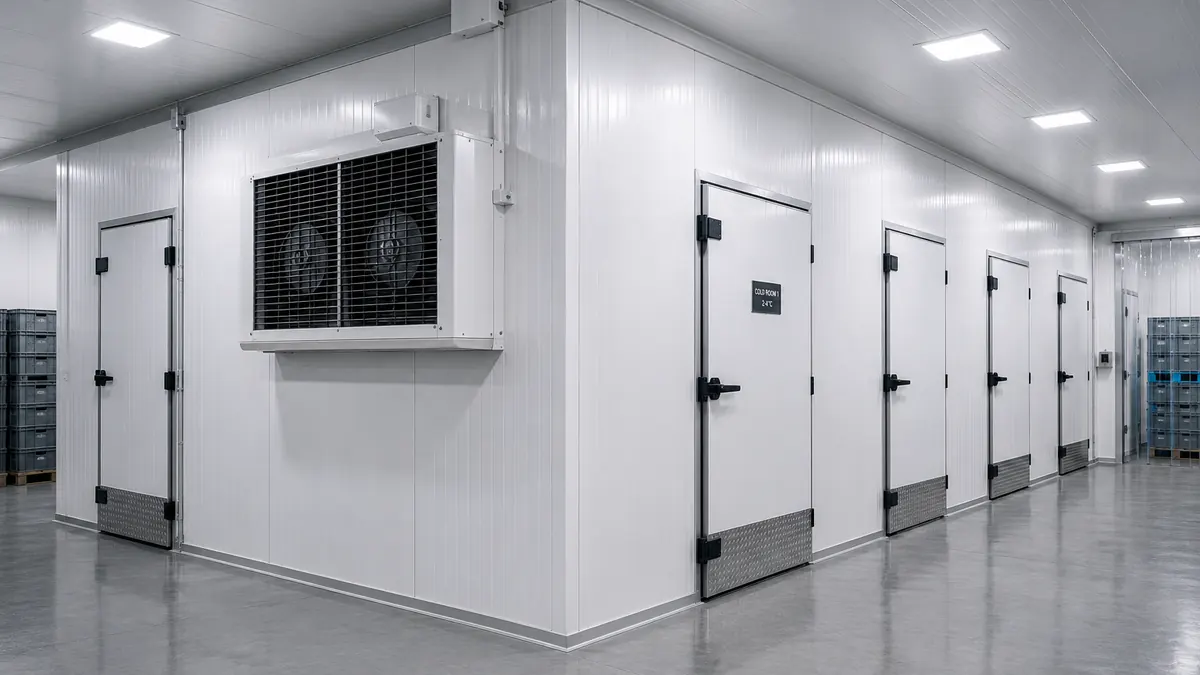
Cold rooms are business-critical assets for supermarkets, hotels, restaurants, food processors, florists, pharmaceutical facilities, laboratories and logistics operators in Kenya. When a cold room fails, the cost is not only repair work. The bigger risk is product loss, interrupted operations, customer complaints and compliance problems.
In 2026, cold room maintenance should be handled as a planned operating process, not an emergency reaction. A reliable maintenance schedule protects temperature stability, equipment life, hygiene and energy performance.
Why Cold Room Maintenance Matters
A cold room is a complete refrigeration system. It depends on the insulated room, doors, evaporators, condensers, compressors, refrigerant pipework, controls, drainage, electrical protection and airflow. If one part is neglected, the whole system can struggle.
Common signs of poor maintenance include ice buildup, temperature swings, water leaks, noisy compressors, warm spots, frequent alarms, high electricity bills, damaged door gaskets and products taking too long to cool. These are early warnings that the system needs professional attention.
2026 Cold Room Maintenance Checklist
- Check and record operating temperatures every day.
- Inspect door seals, hinges, closers and curtains for air leakage.
- Clean evaporator coils and confirm fans are running correctly.
- Clean condenser coils and keep outdoor units free from blockage.
- Inspect drainage lines to prevent water leaks and ice buildup.
- Check refrigerant pressures and investigate suspected leaks.
- Test thermostats, controllers, sensors and alarms.
- Inspect electrical connections, isolators and overload protection.
- Review defrost operation and confirm ice is clearing correctly.
- Keep a maintenance record for audits, warranties and troubleshooting.
Food Businesses: What to Watch Closely
Food storage requires consistent temperature control and clean operating conditions. Restaurants, butcheries, supermarkets, bakeries and food processors should pay special attention to loading practices, door opening frequency, product arrangement and airflow around stored items.
Do not overload shelves or block evaporator airflow. Warm products should be cooled using the correct process before storage where needed. Staff should also be trained to close doors quickly and report unusual noises, ice buildup or temperature alarms immediately.
Pharmaceutical and Laboratory Storage
Pharmaceutical facilities and laboratories often require tighter temperature control and better record keeping. For these environments, maintenance should include sensor checks, alarm testing, controller review, backup planning and documented service reports.
Temperature-sensitive products may require additional monitoring systems. The goal is to detect problems before they become product safety or compliance issues.
Energy Efficiency and Refrigerants
Cold rooms can consume significant electricity when they are poorly maintained. Dirty condensers, leaking door seals, low refrigerant charge, iced evaporators and faulty controls make the compressor run longer than necessary. Preventive maintenance keeps the system closer to its designed performance.
Businesses should also be aware that refrigerant management is becoming more important globally. The Kigali Amendment under the Montreal Protocol focuses on reducing high-global-warming-potential HFC refrigerants over time. For local businesses, this makes proper leak checks, responsible servicing and informed equipment selection more important when installing or upgrading refrigeration systems.
When to Call a Professional
Call a refrigeration technician if temperatures are unstable, ice forms repeatedly, the compressor runs continuously, the room struggles after loading, water appears around the unit, alarms keep triggering or electricity use rises without a clear reason. Waiting too long can turn a small fault into a major breakdown.
How M-Cool Electro Supports Cold Room Clients
M-Cool Electro Engineering Services Ltd designs, installs and maintains cold rooms and commercial refrigeration systems for food, retail, hospitality, pharmaceutical and industrial clients in Kenya. Our services include site assessment, system design, installation, insulation support, condensing units, evaporators, controls, testing, commissioning and preventive maintenance.
If your cold room supports daily operations, maintenance should be scheduled before failure happens. A practical service plan helps protect stock, reduce emergency repairs and keep your business running with confidence.