
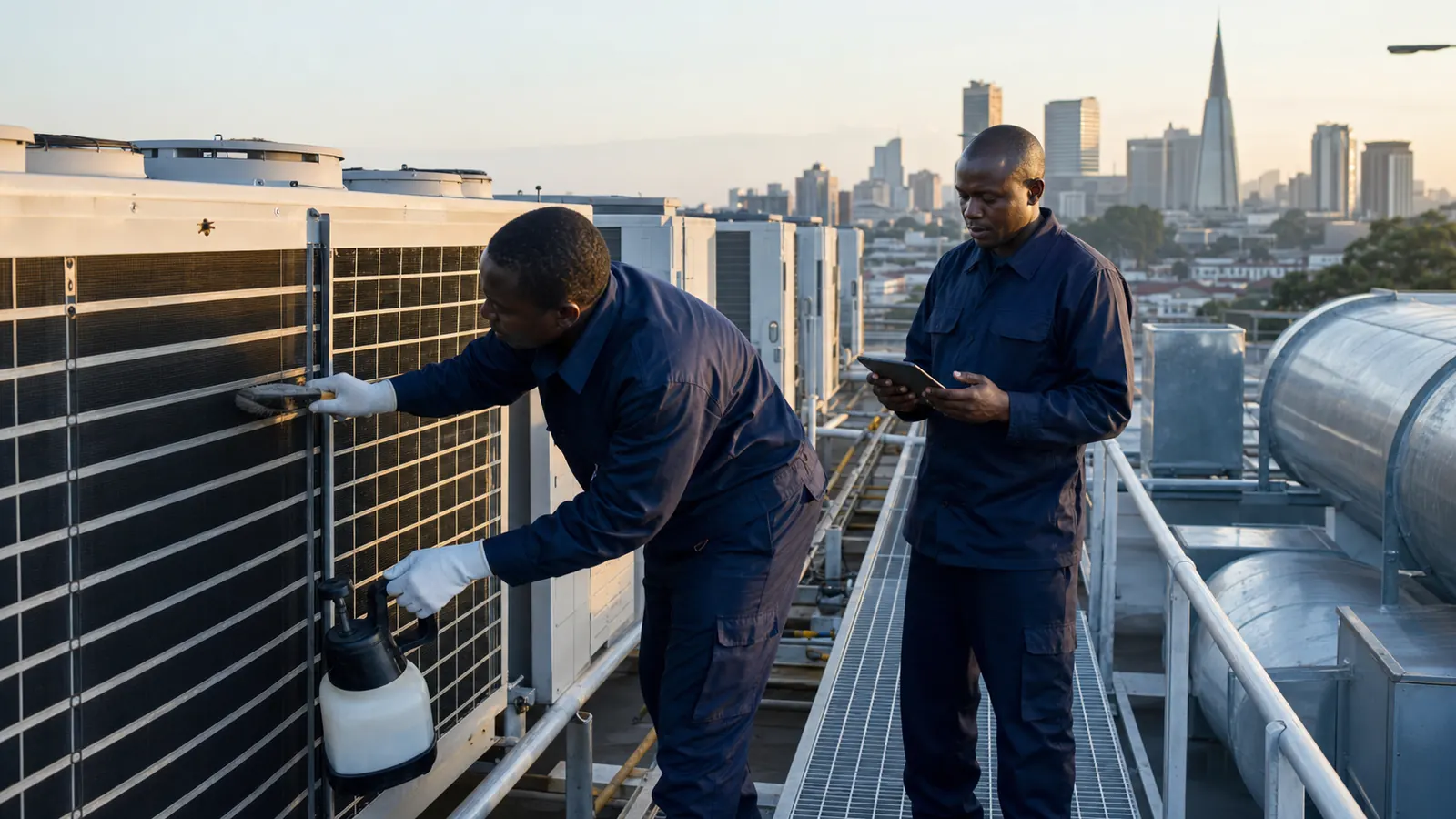
HVAC repair and preventive maintenance protect the comfort, safety and reliability of buildings that depend on cooling and ventilation. Even a well installed system will collect dust, lose performance, develop electrical wear, experience refrigerant issues or suffer airflow problems over time. The question is whether those issues are found early or after the system fails.
M-Cool Electro Engineering Services Ltd provides preventive maintenance, AC repair, HVAC system support, mechanical ventilation service, refrigeration maintenance and building management system support for homes, offices, hotels, hospitals, schools, restaurants, retail spaces and industrial facilities in Kenya.
Why Preventive Maintenance Matters
Many people only call a technician after the AC stops cooling or a refrigeration system fails. By that time, the root cause may have been developing for weeks: a dirty condenser, blocked filter, restricted drain, loose electrical connection, low refrigerant charge, failing fan motor or poorly calibrated thermostat. Preventive maintenance finds these problems while they are still manageable.
For businesses, maintenance is not only about equipment. It protects customers, staff, products, rooms, machines and operating schedules. A hotel room without AC, a clinic with poor ventilation, a supermarket cold room with unstable temperature or a server room with weak cooling can quickly become a business risk.
Benefits of HVAC Repair and Preventive Maintenance
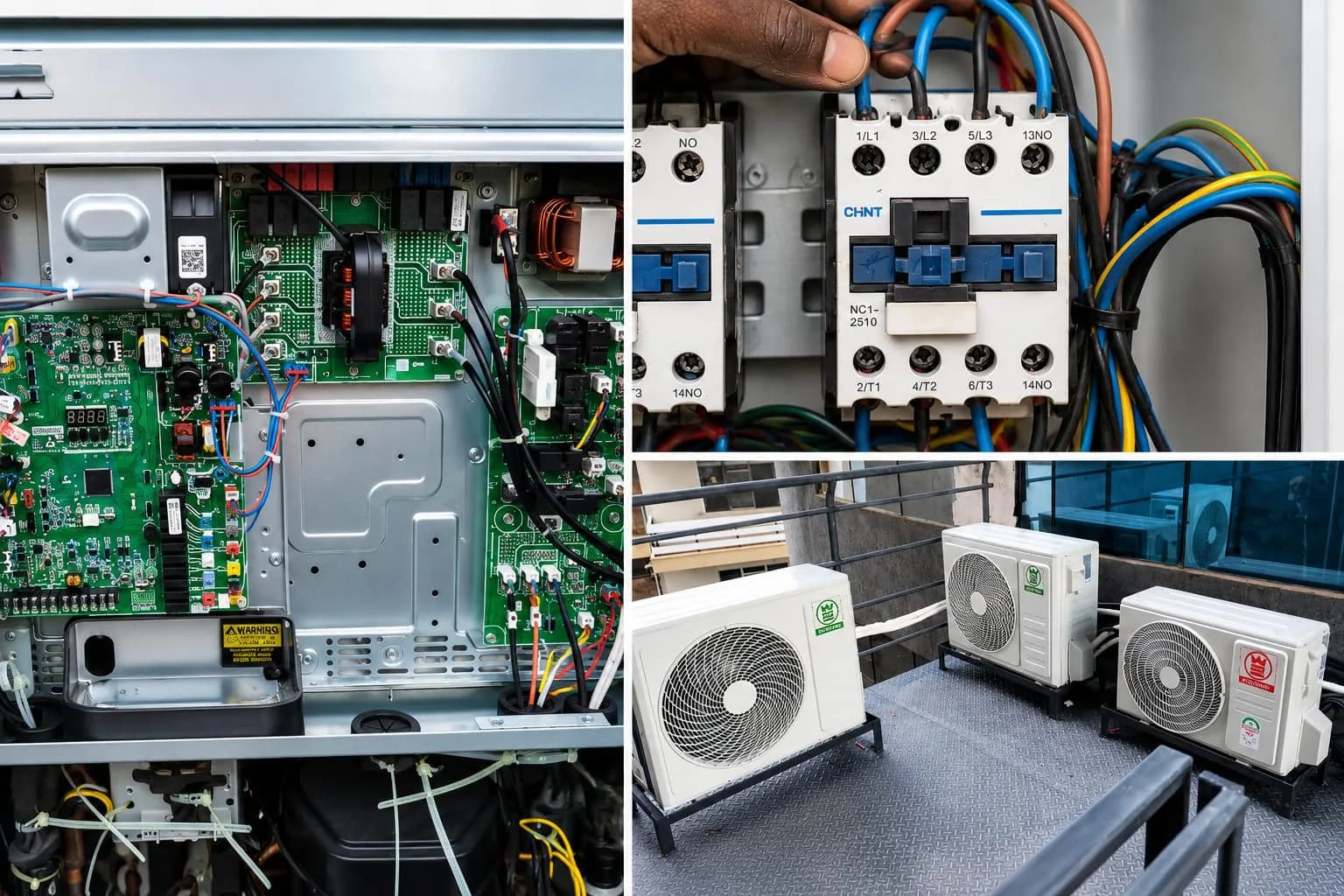
Timely repair restores cooling, airflow, drainage and safe electrical operation before a minor fault damages more expensive parts. Preventive maintenance goes further by finding wear, dirt, loose connections and control problems before occupants notice a failure. Clean coils and filters allow heat to move through the system more easily, correct airflow improves comfort, and clear condensate drains reduce the chance of leaks damaging ceilings, walls or stock.
For businesses, the main benefit is predictable operation. Planned visits can be scheduled outside busy hours, service findings can be budgeted, and equipment history helps managers decide whether to repair or replace a unit. Regular inspection also supports indoor air quality by keeping filters, coils, drain pans, ducts, grilles and diffusers cleaner. It does not guarantee that equipment will never fail, but it reduces avoidable breakdowns and gives the facility a better chance of identifying risk early.
Systems M-Cool Repairs and Maintains
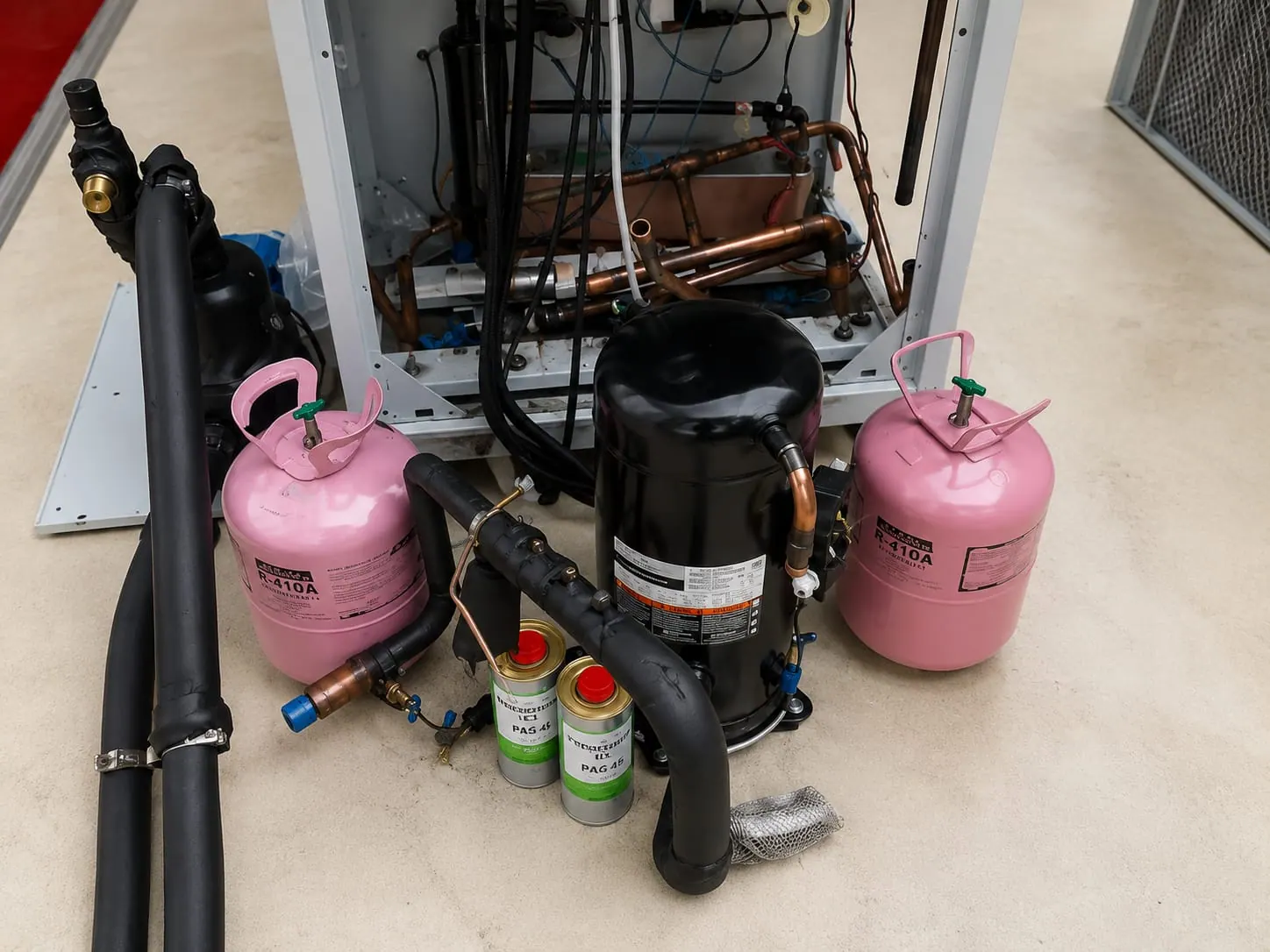
M-Cool services wall mounted split AC units, ceiling cassette units, floor standing units, ducted systems, multi split installations and VRF or VRV systems. For larger facilities, maintenance can also cover air handling units, fan coil units, supply and extract fans, ductwork, dampers, grilles, diffusers, thermostats, sensors and building controls. Commercial refrigeration support includes cold rooms, freezer rooms, blast freezers, evaporators, condensing units, compressors and temperature controls.
Each system needs a suitable checklist. A split AC service focuses on filters, coils, drainage, refrigerant condition, fans and controls. A VRF system also needs fault history review, communication checks, branch and pipework inspection and confirmation that indoor units respond correctly by zone. A cold room visit adds door seals, defrost operation, evaporator frost, temperature records and product loading conditions. This equipment specific approach avoids repeating the same basic cleaning task while missing the component that carries the real risk.
Common Maintenance Situations in Kenyan Facilities
In a dusty office near a busy road, filters and condenser coils may load up faster than the calendar suggests, causing weak airflow and longer run times. In a restaurant, grease and heat can affect indoor coils, extract systems and outdoor condensers, so a standard six month interval may be too long. A hotel with many guest room units benefits from a room by room asset list so recurring drain, control or fan faults can be tracked instead of treated as unrelated emergencies.
A server room presents a different risk because cooling may be required day and night. Rising room temperature, repeated alarms or one unit carrying the full load should trigger action before IT equipment is affected. In a supermarket or cold room, frost buildup, door seal damage and temperature drift can threaten stock even when the compressor is still running. These situations are why maintenance frequency should follow operating hours, environment and business consequence rather than one schedule for every site.
Common HVAC and AC Faults We Repair
Common faults include weak airflow, warm air from vents, uneven temperatures, water leaks, frozen coils, bad smells, loud vibrations, short cycling, circuit breaker trips, high electricity consumption and systems that run continuously without reaching the set temperature. These faults can come from airflow blockage, dirty coils, refrigerant leaks, worn capacitors, fan motor failure, compressor strain, thermostat faults or electrical problems.
A good repair process starts with diagnosis. M-Cool technicians inspect airflow, coil condition, refrigerant pressures, electrical components, drainage, fan operation, filters, controls and system performance. This helps the client avoid guesswork and makes the repair more reliable.
What a Preventive Maintenance Visit Includes
A standard maintenance visit may include cleaning filters, washing evaporator coils, cleaning outdoor condensers, checking refrigerant pressures, inspecting electrical terminals, testing capacitors and contactors, clearing drain lines, checking fan motors, calibrating thermostats, reviewing controls and testing overall performance. For larger systems, service reports should record findings and recommendations.
For facilities with multiple systems, planned maintenance creates order. Instead of waiting for random breakdowns, the client knows what equipment was checked, what needs repair, which parts may fail soon and when the next service is due. This is especially useful for offices, hospitals, hotels, schools, restaurants and industrial facilities with many units.
Recommended Service Frequency
Residential AC systems are usually serviced every six to twelve months. Offices commonly need servicing every three to six months. Restaurants may need service every two to three months because of heat, grease and longer operating hours. Hospitals, clinics and sensitive facilities may require monthly or facility specific schedules. Industrial sites should plan service based on operating hours, dust levels, heat load and production risk.
The best schedule is based on use, not guesswork. A lightly used bedroom AC does not need the same frequency as a restaurant unit running every day or a server room cooling system that protects critical IT equipment.
Maintenance for Ventilation, Refrigeration and Controls
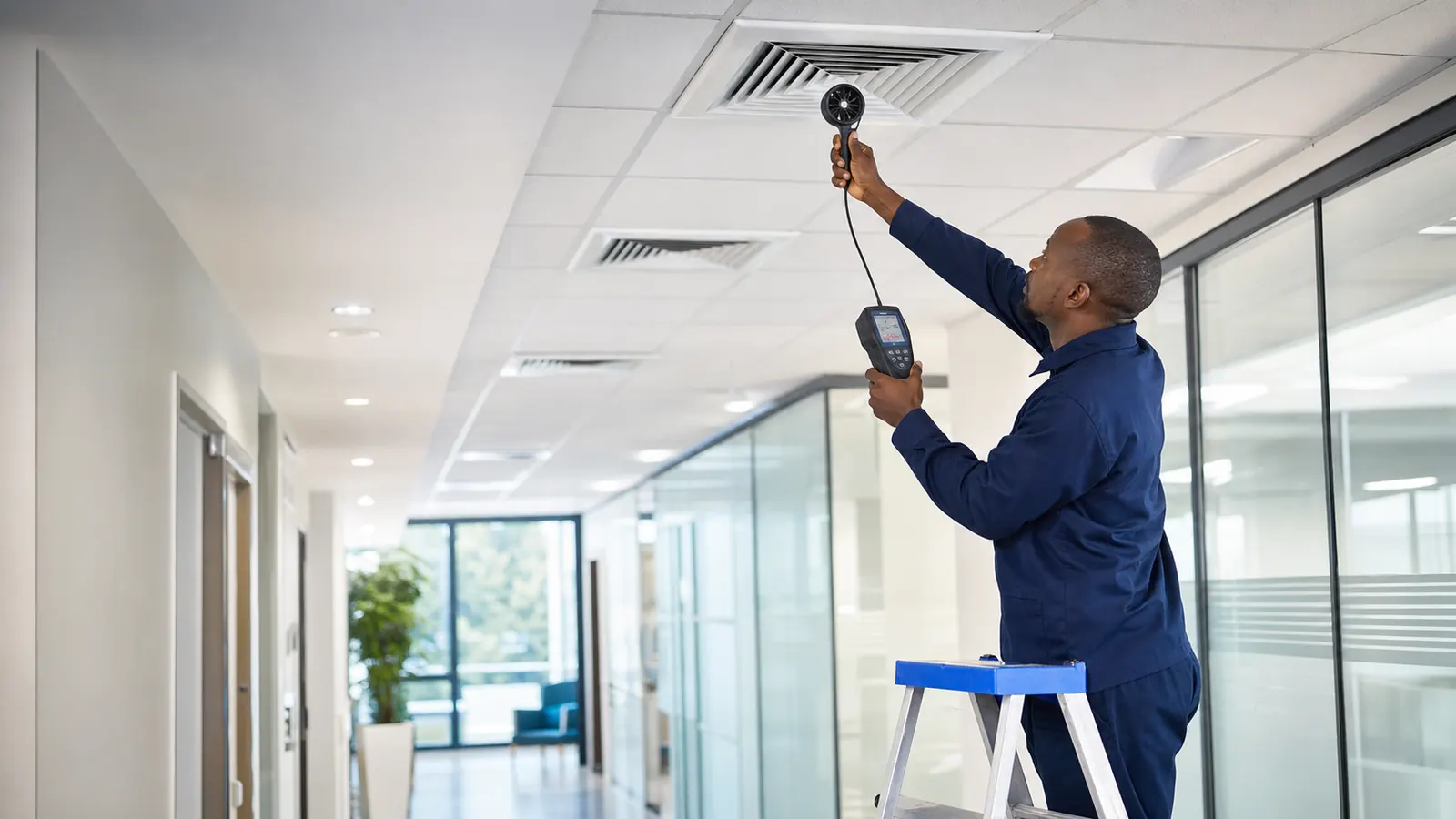
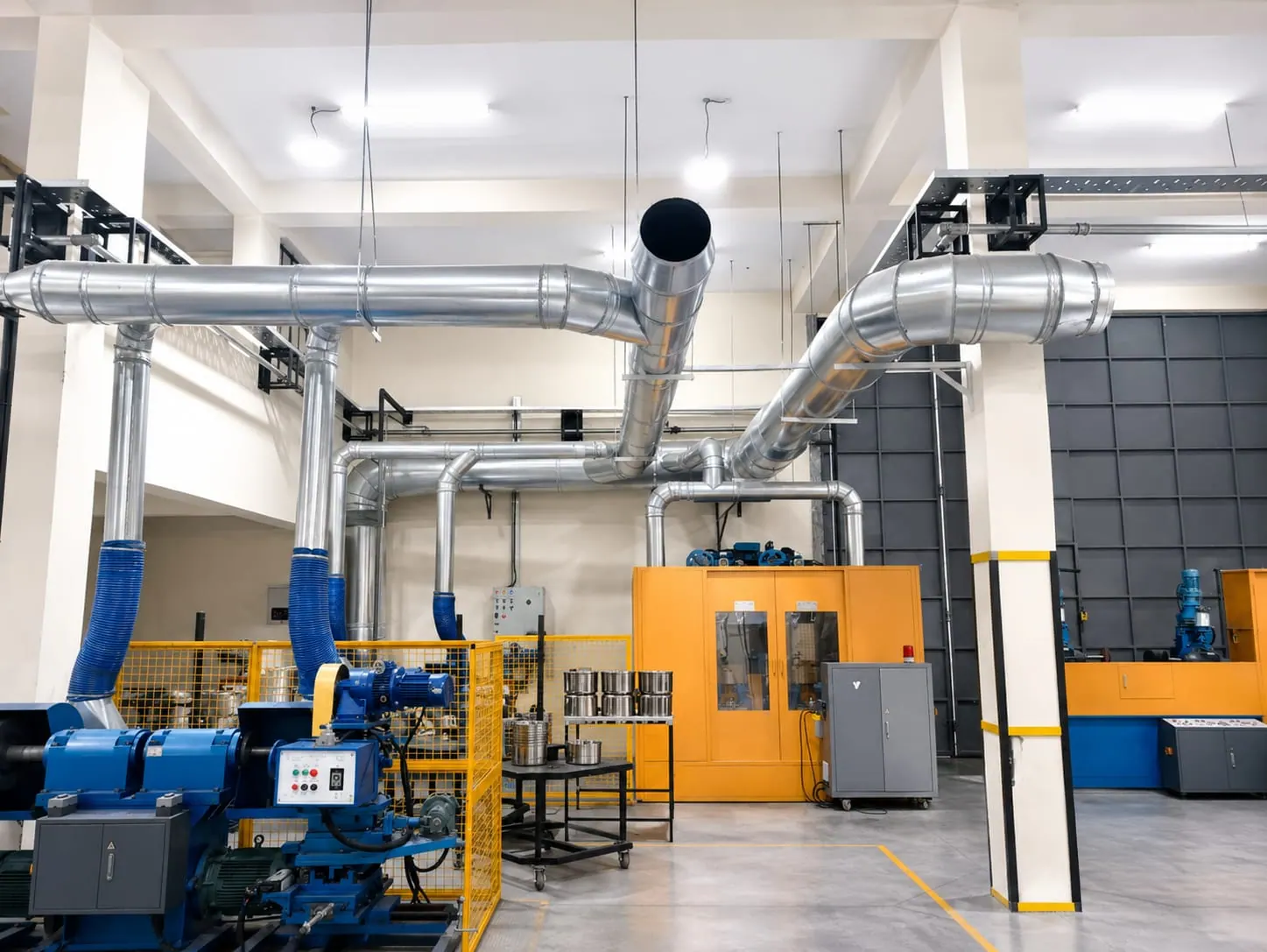
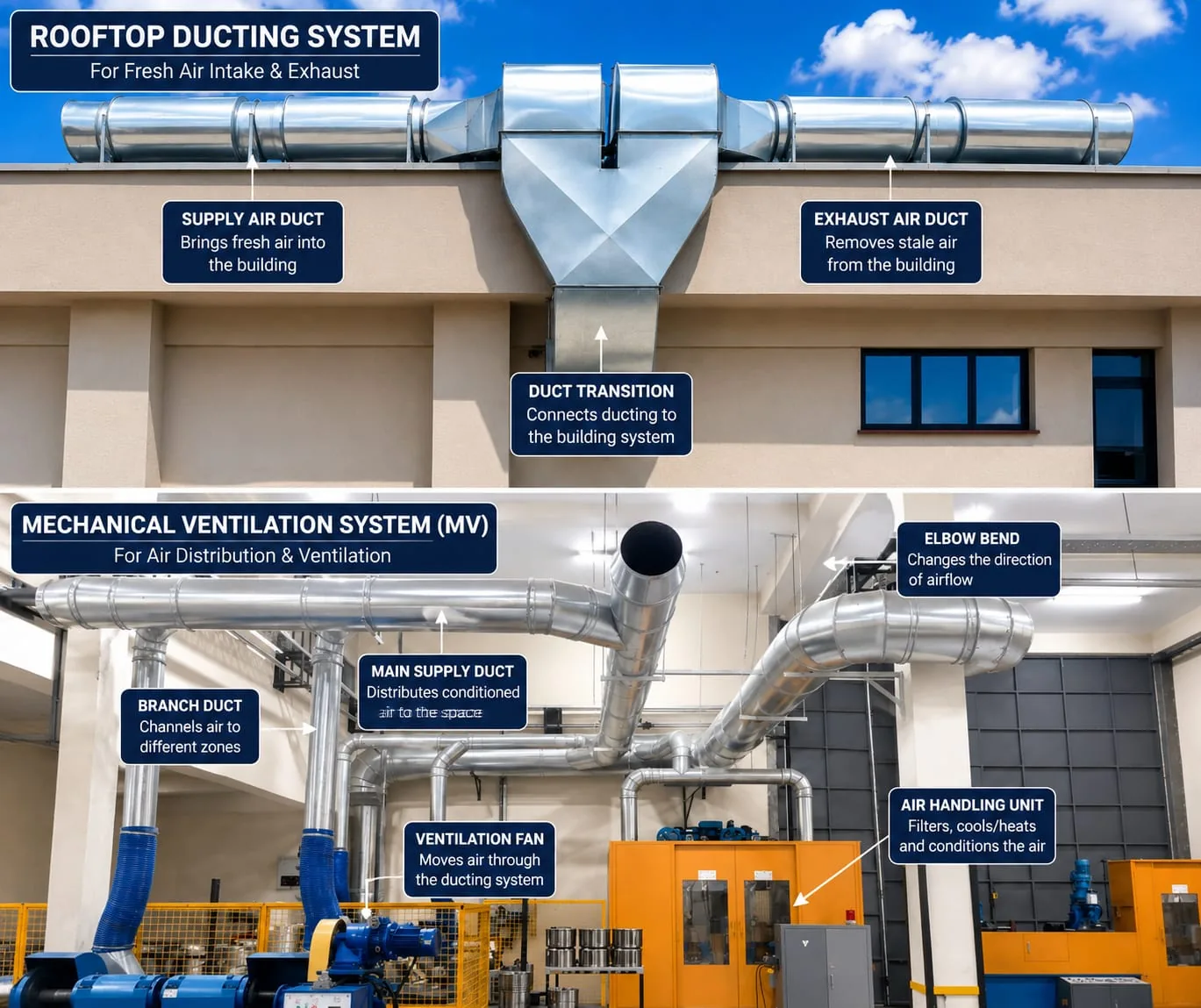
HVAC maintenance should also include ventilation and controls where they are part of the building. Ductwork, grilles, diffusers, fans, dampers and filters affect air movement and indoor air quality. Refrigeration maintenance should include condensers, evaporators, compressors, refrigerant pipework, controls, door seals and drainage. BMS and controls should be checked for schedules, alarms, sensor readings and equipment response.
When these connected parts are ignored, one system can make another perform poorly. For example, weak ventilation can leave a room feeling uncomfortable even when the AC is cooling. Dirty condenser coils can make a refrigeration compressor work harder. A faulty thermostat can make a unit run longer than necessary and increase electricity bills.
Why Choose M-Cool for HVAC Repair and Maintenance
M-Cool supports residential, commercial and industrial clients with diagnostic repair, preventive maintenance programs, emergency support where available, genuine spare part recommendations and practical engineering advice. Our team works across Nairobi, Mombasa, Kisumu, Nakuru, Eldoret, Thika, Kiambu, Kitengela, Naivasha, Meru, Kisii, Nanyuki, Garissa, Lodwar and other regions in Kenya.
If your AC, HVAC, refrigeration or ventilation system is showing signs of trouble, do not wait for a complete breakdown. Contact M-Cool Electro Engineering Services Ltd to book a repair visit, schedule preventive maintenance or request a service plan for your facility.