
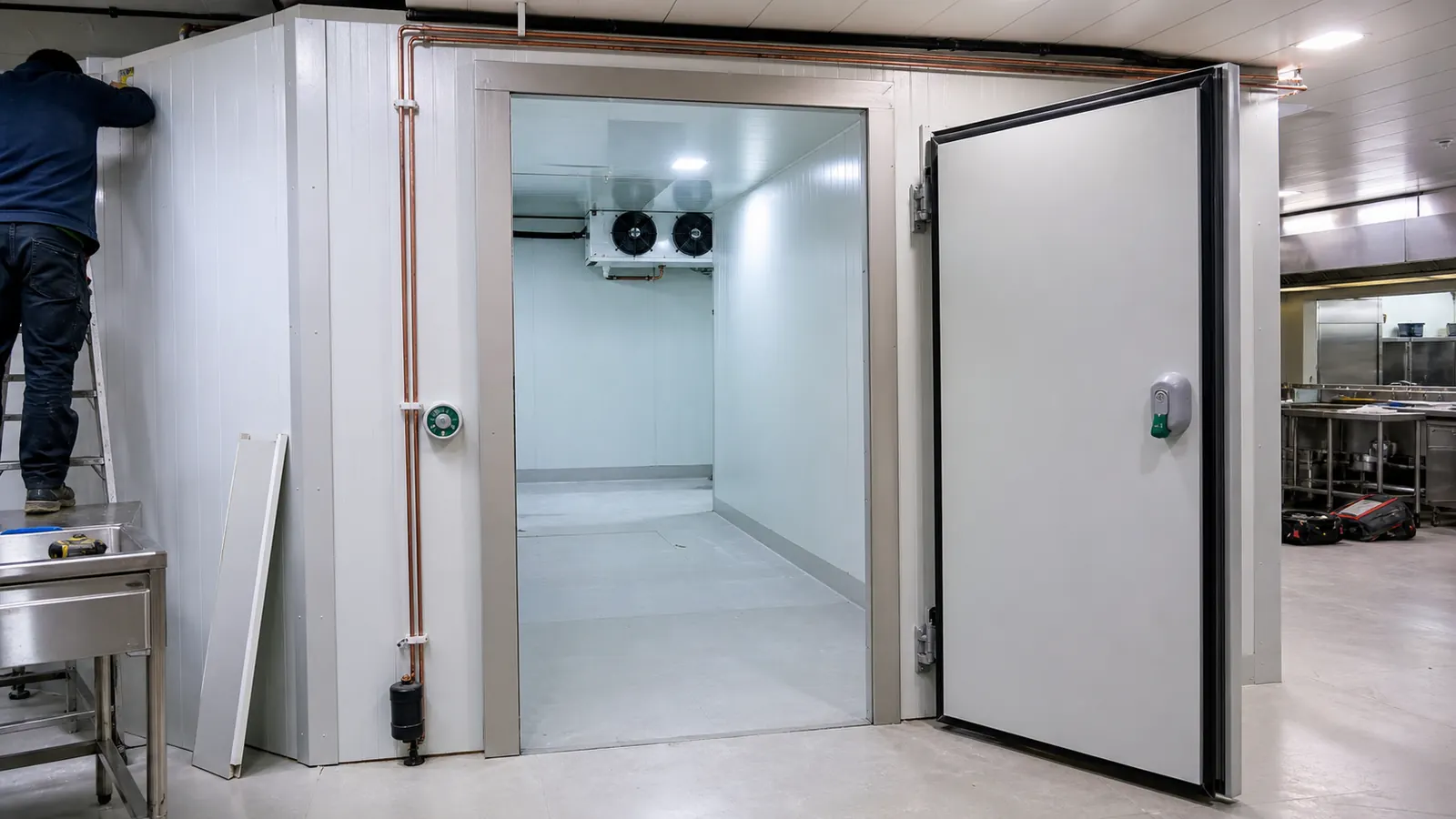
Cold room installation is one of the most important investments for businesses that handle perishable goods in Kenya. Hotels, restaurants, supermarkets, butcheries, hospitals, pharmacies, laboratories, flower farms, dairy processors and food processing plants all depend on stable temperatures to protect stock, reduce waste and meet operating standards.
A cold room is not simply a larger refrigerator. It is a complete refrigeration system made up of insulated panels, doors, evaporators, condensers, compressors, refrigerant pipework, controls, drainage, electrical protection and airflow planning. M-Cool Electro Engineering Services Ltd provides cold room installation, commercial refrigeration, chiller systems and blast freezer systems for businesses across Kenya.
What Is a Cold Room?
A cold room is an insulated storage facility designed to hold products at a controlled temperature. Unlike domestic fridges, cold rooms are built for larger volumes, frequent door opening and commercial operating hours. The temperature range depends on the product being stored and the business process behind it.
Chiller rooms usually operate around 0 degrees Celsius to +8 degrees Celsius and are suitable for fruits, vegetables, dairy products, beverages, flowers and some pharmaceuticals. Freezer rooms usually operate around -18 degrees Celsius to -25 degrees Celsius and are used for meat, fish, poultry, frozen foods and ice cream. Blast freezers operate at lower temperatures to freeze products quickly and protect texture, quality and food safety.
Types of Cold Rooms M-Cool Installs and Maintains
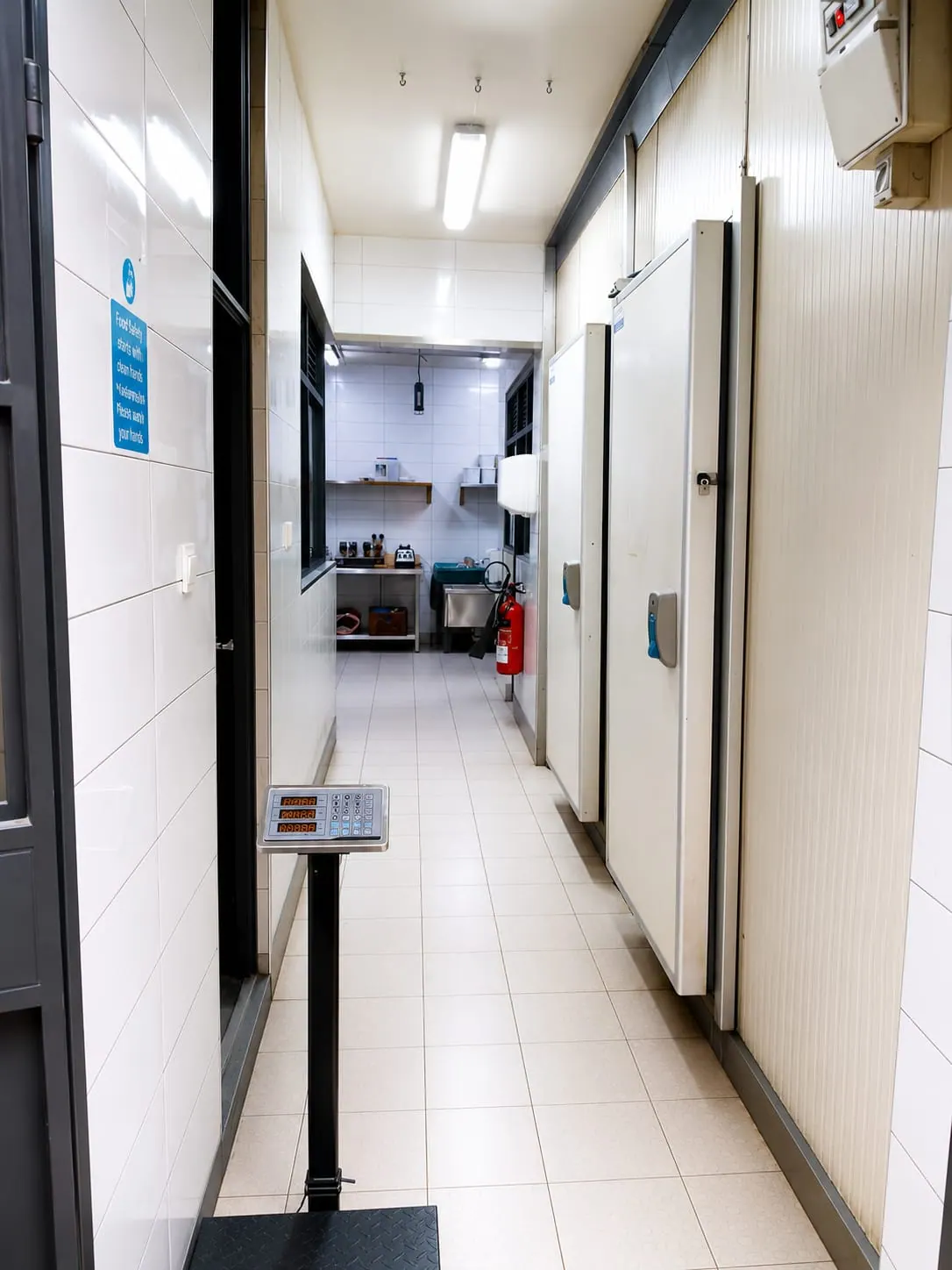
M-Cool works with modular walk in chiller rooms for fresh food, beverages, flowers and other products that must remain chilled; freezer rooms for frozen meat, fish, poultry and prepared foods; and blast freezer systems for businesses that need to pull product temperature down quickly before storage. We also support cold rooms for hotels, supermarkets, commercial kitchens, hospitals, pharmacies, laboratories, horticulture and food processing, with the final temperature and control arrangement selected for the product and operating requirement.
The room type determines more than the thermostat setting. A freezer requires different insulation thickness, floor treatment, door protection and defrost planning from a produce chiller. A pharmacy or laboratory may need tighter monitoring, alarms and documented temperature records. A busy hotel kitchen needs a door and internal layout that can withstand frequent access without blocking evaporator airflow. M-Cool therefore assesses the product, loading pattern, door openings and required recovery time before selecting the refrigeration plant.
Benefits of Professional Cold Room Installation
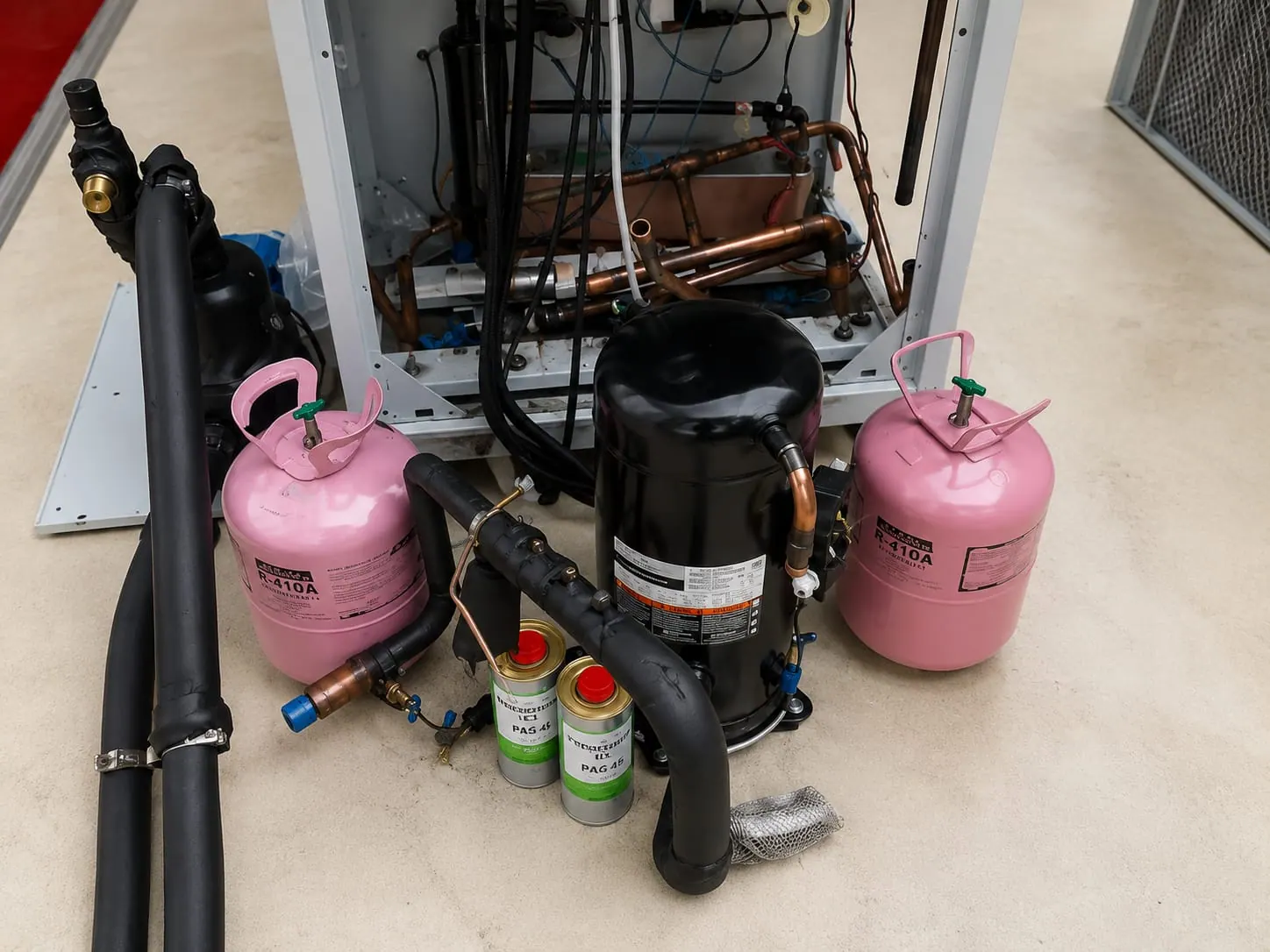
Professional cold room installation protects stock by keeping temperature within the required range and reducing warm spots. Correct insulation and door sealing limit heat entering the room, while suitable evaporator placement keeps cold air moving around stored products. Temperature controllers and alarms give staff an early warning when conditions move outside the set range, allowing action before a full load is damaged.
The business benefits are practical: less spoilage, better stock rotation, more predictable product quality, safer food handling and fewer emergency shutdowns. A room that is sized for the actual product load also reaches temperature more reliably after deliveries and door openings. Good access around condensers, evaporators and controls makes future cleaning and repairs faster, which reduces disruption to kitchens, stores, pharmacies and production areas.
Common Cold Room Situations in Kenya
A restaurant may outgrow upright refrigerators and need a walk in chiller that separates produce, dairy and prepared ingredients while allowing staff to retrieve stock quickly. A supermarket may need a freezer room that recovers temperature after frequent loading. A flower or fresh produce business may require gentle, even airflow so that products are cooled without excessive dehydration. A pharmacy may need clear temperature records and an alarm plan because even a short temperature excursion can put valuable stock at risk.
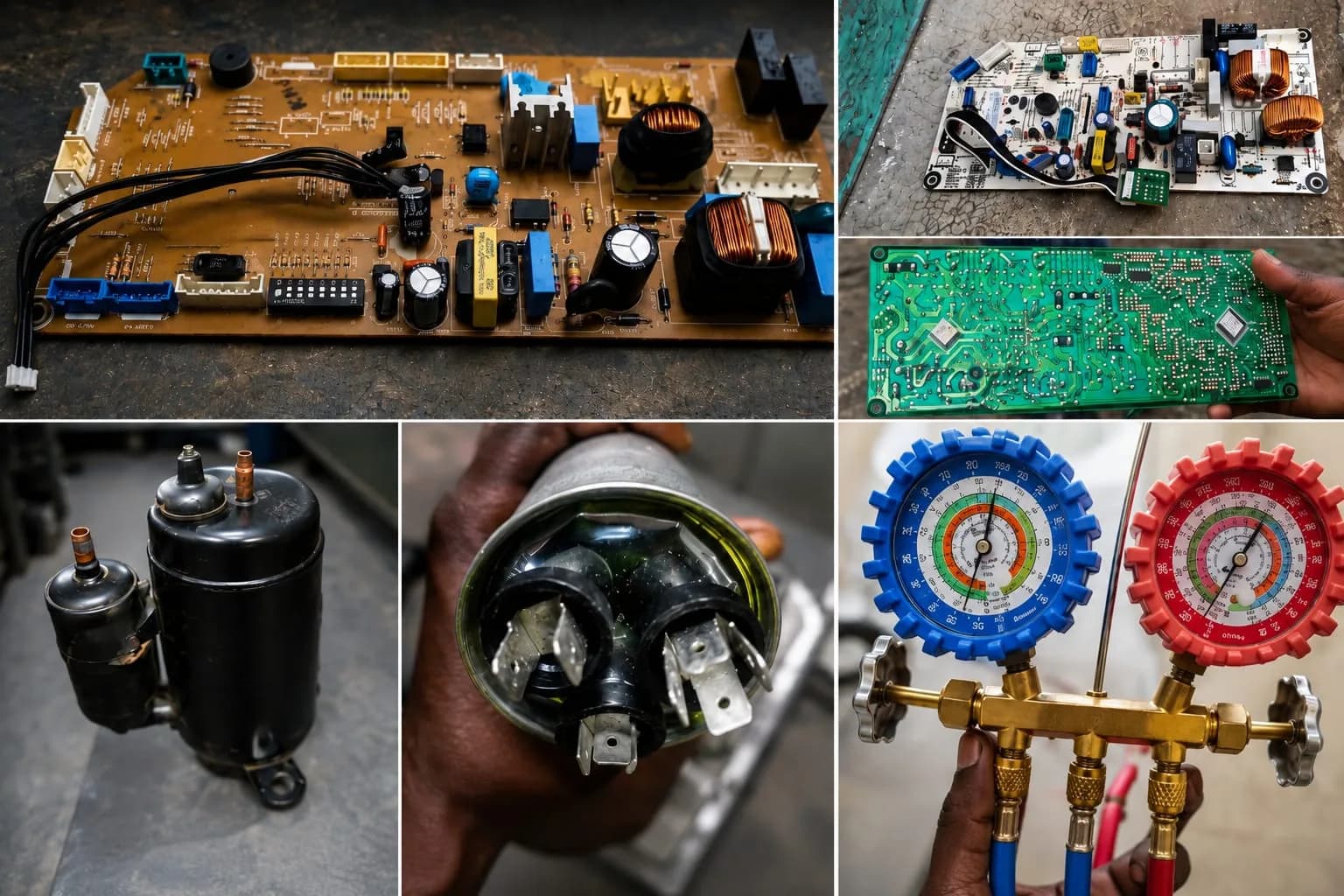
Another common situation is an existing room that cools when empty but warms after stock is loaded. The cause may be insufficient refrigeration capacity, warm product entering the room, blocked airflow, damaged door seals or heavy frost on the evaporator. Diagnosis should consider the room, product and daily operation together instead of replacing the compressor before the real heat load problem is understood.
Cold Room Design Considerations
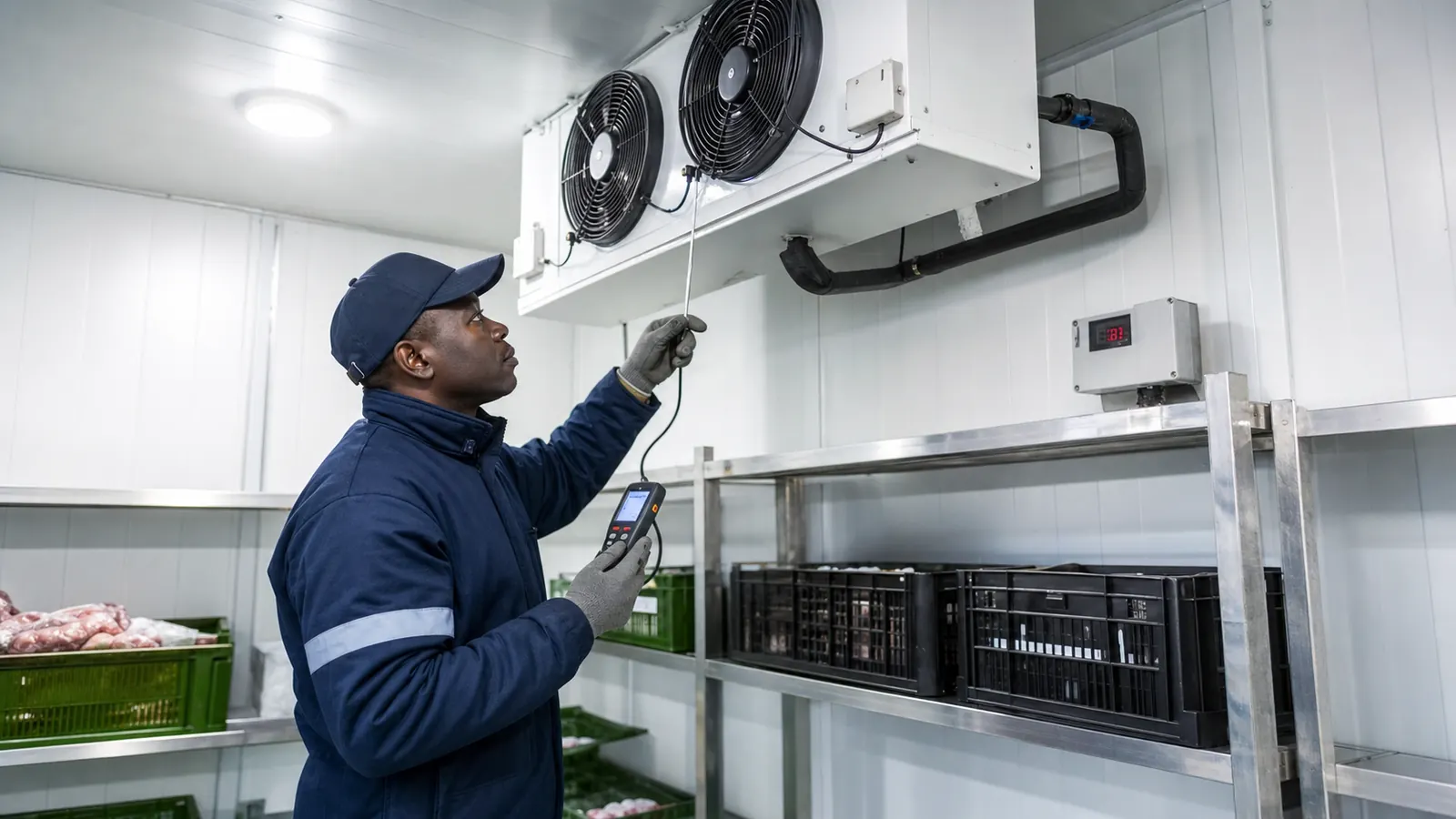
Every cold room should be designed around real business operations. The design should consider daily stock volume, future expansion, product type, loading habits, shelving layout, door opening frequency, delivery access, ventilation around the equipment, electrical capacity and maintenance access. A room that is too small cannot keep up with demand, while a room that is much larger than needed can waste energy.
Insulated panel quality is also important. Poor insulation allows heat to enter the room, forcing the refrigeration plant to run longer. Door seals, curtains, drainage and airflow inside the room must also be planned carefully. A cold room with blocked evaporator airflow or poor door sealing can develop frost, warm spots and high power consumption even if the main refrigeration equipment is good.
The Cold Room Installation Process
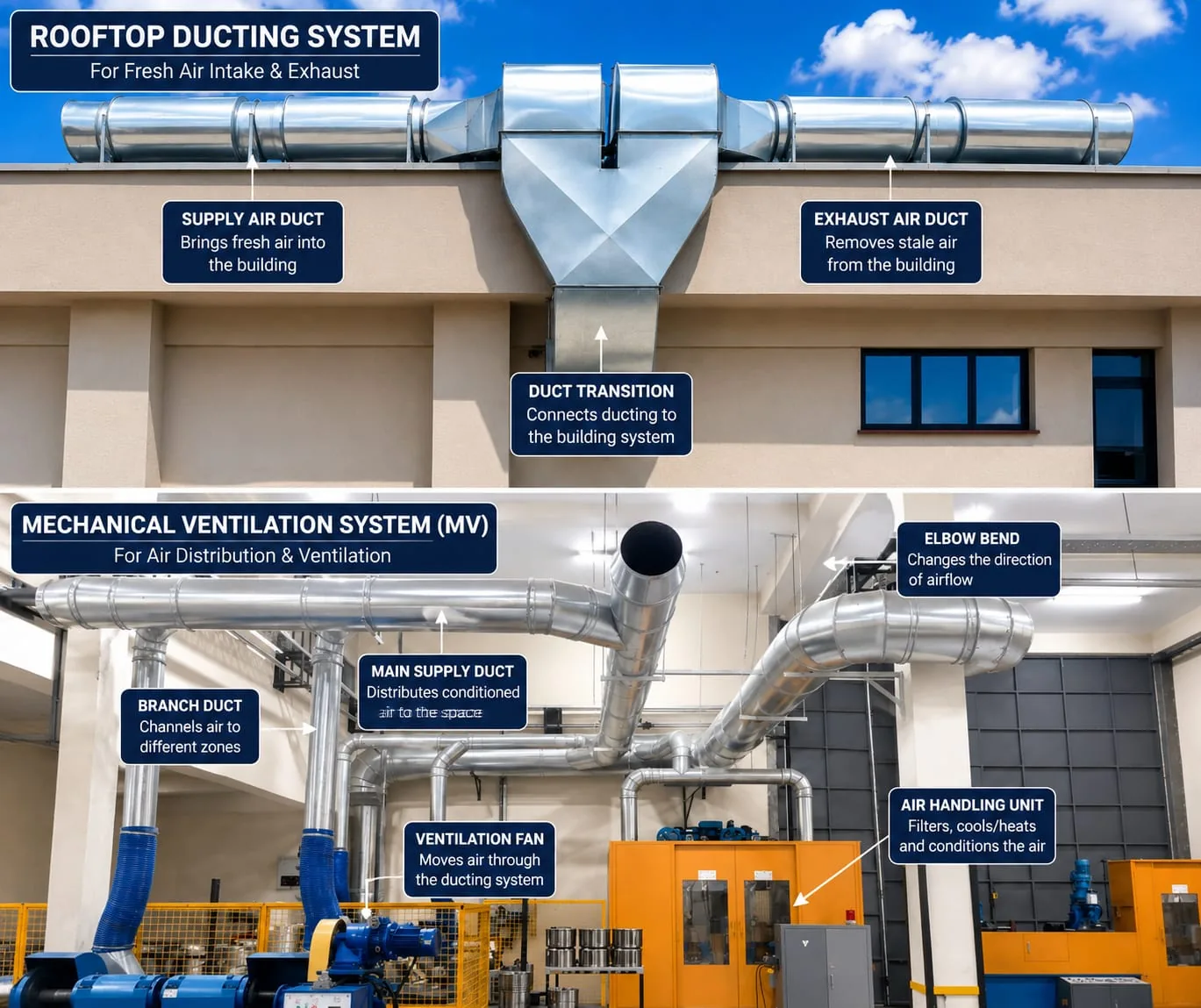
A professional cold room project begins with a site survey and requirements assessment. The engineer checks product type, target temperature, storage capacity, room location, electrical supply, ventilation, drainage and access. From there, the system is sized and the correct panels, doors, evaporators, condensing units, controllers and safety protections are selected.
Installation involves preparing the site, assembling insulated panels, fitting the door system, installing evaporators and condensing units, running refrigerant pipework, wiring controls, setting drainage, leak testing, charging refrigerant where required and commissioning the system. Final testing should confirm temperature performance, airflow, controller settings, defrost operation, alarms and safety protection.
Industries That Need Cold Rooms
Hotels need reliable cold storage for fresh produce, meat, seafood, dairy and beverages. Restaurants and commercial kitchens use cold rooms to keep ingredients safe and organised. Supermarkets use them for stock rotation and bulk storage. Hospitals, pharmacies and laboratories need dependable temperature control for medicines, vaccines and samples. Flower farms and horticultural exporters use chiller rooms to protect product quality before transport.
For food businesses, cold rooms also support food safety compliance. Stable temperatures help reduce spoilage and protect customers. For pharmaceutical and laboratory clients, accurate temperature control and service records are important because stored products may be sensitive and costly.
Cold Room Maintenance and Common Mistakes
Common cold room mistakes include incorrect sizing, poor insulation, low quality components, inadequate ventilation, poor door sealing and delayed maintenance. These problems often show up as rising electricity bills, ice buildup, temperature fluctuations, repeated compressor faults, water leaks, product spoilage or frequent alarms.
Preventive maintenance should include condenser cleaning, evaporator inspection, refrigerant pressure checks, door seal checks, controller testing, drainage inspection, electrical checks and temperature record review. A small repair during a planned service visit is usually cheaper than replacing spoiled stock after a breakdown.
Why Choose M-Cool for Cold Room Installation
M-Cool designs, installs and maintains cold rooms for restaurants, hotels, supermarkets, hospitals, pharmacies, laboratories, agriculture, food processing and industrial clients. We help clients choose the right storage temperature, room size, refrigeration equipment and maintenance plan for their operations.
If your business needs reliable cold storage in Nairobi, Mombasa, Kisumu, Nakuru, Eldoret or anywhere across Kenya, contact M-Cool Electro Engineering Services Ltd to arrange a site survey and receive a practical cold room quotation.