
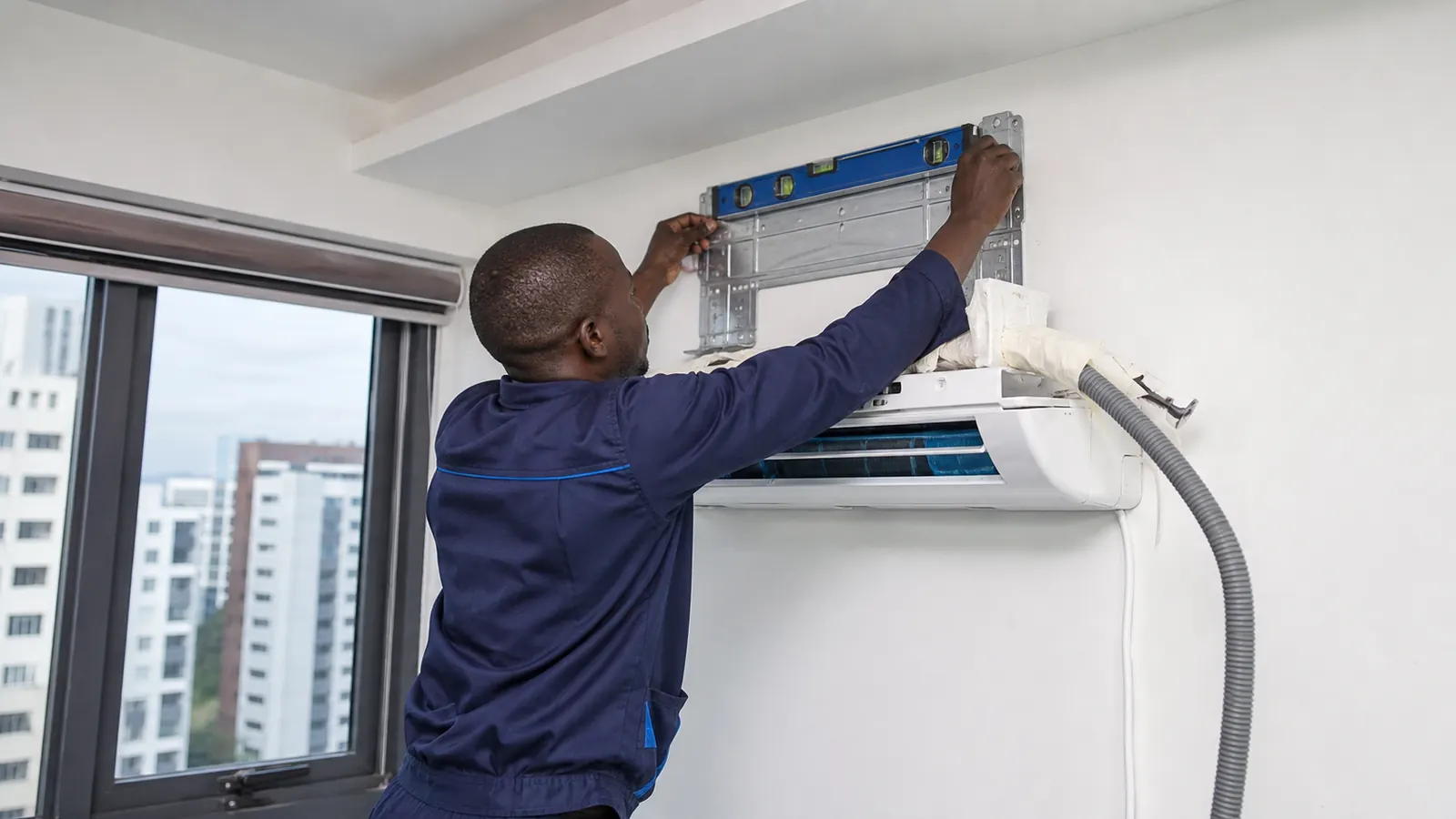
Air conditioning in Kenya is no longer only about comfort. For homes, offices, clinics, hotels, schools, retail shops and industrial buildings, a properly installed AC system supports productivity, indoor air quality, equipment protection and day to day comfort. The real difference is not only the brand of air conditioner selected, but how well the system is sized, installed, repaired and maintained over its working life.
M-Cool Electro Engineering Services Ltd provides air conditioning installation and maintenance, AC repair services, VRF and VRV systems, mechanical ventilation and complete HVAC systems for residential, commercial and industrial clients across Kenya. This guide explains how to approach AC installation, repair and preventive maintenance in a way that reduces avoidable costs and keeps cooling systems reliable.
Why Professional AC Installation Matters
Professional AC installation starts before any unit is mounted on the wall. A technician should assess room size, heat gain, ceiling height, window exposure, occupancy, building orientation, electrical supply, drainage routes, ventilation conditions and future service access. A small bedroom in Nairobi does not need the same cooling capacity as a glass fronted shop in Kisumu or an open office in Mombasa.
When an AC is undersized, it runs continuously and still fails to cool the room properly. When it is oversized, it cycles too quickly, wastes electricity and places unnecessary strain on the compressor. Correct sizing helps the system cool evenly, remove humidity better and last longer. This is why M-Cool recommends a site survey before installation, especially for offices, hotels, apartments, clinics and restaurants where cooling demand changes throughout the day.
Types of AC Systems Installed in Kenya
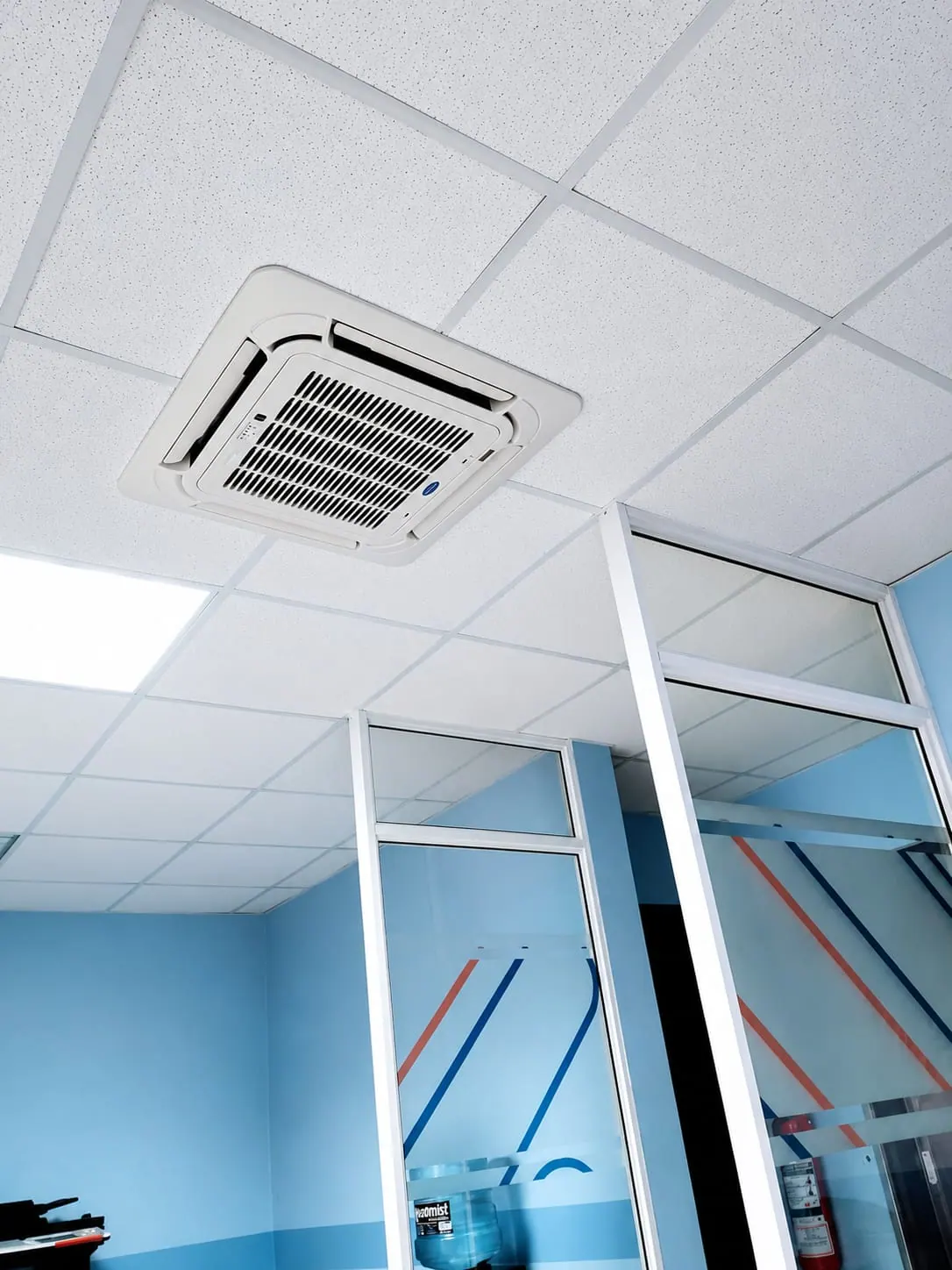
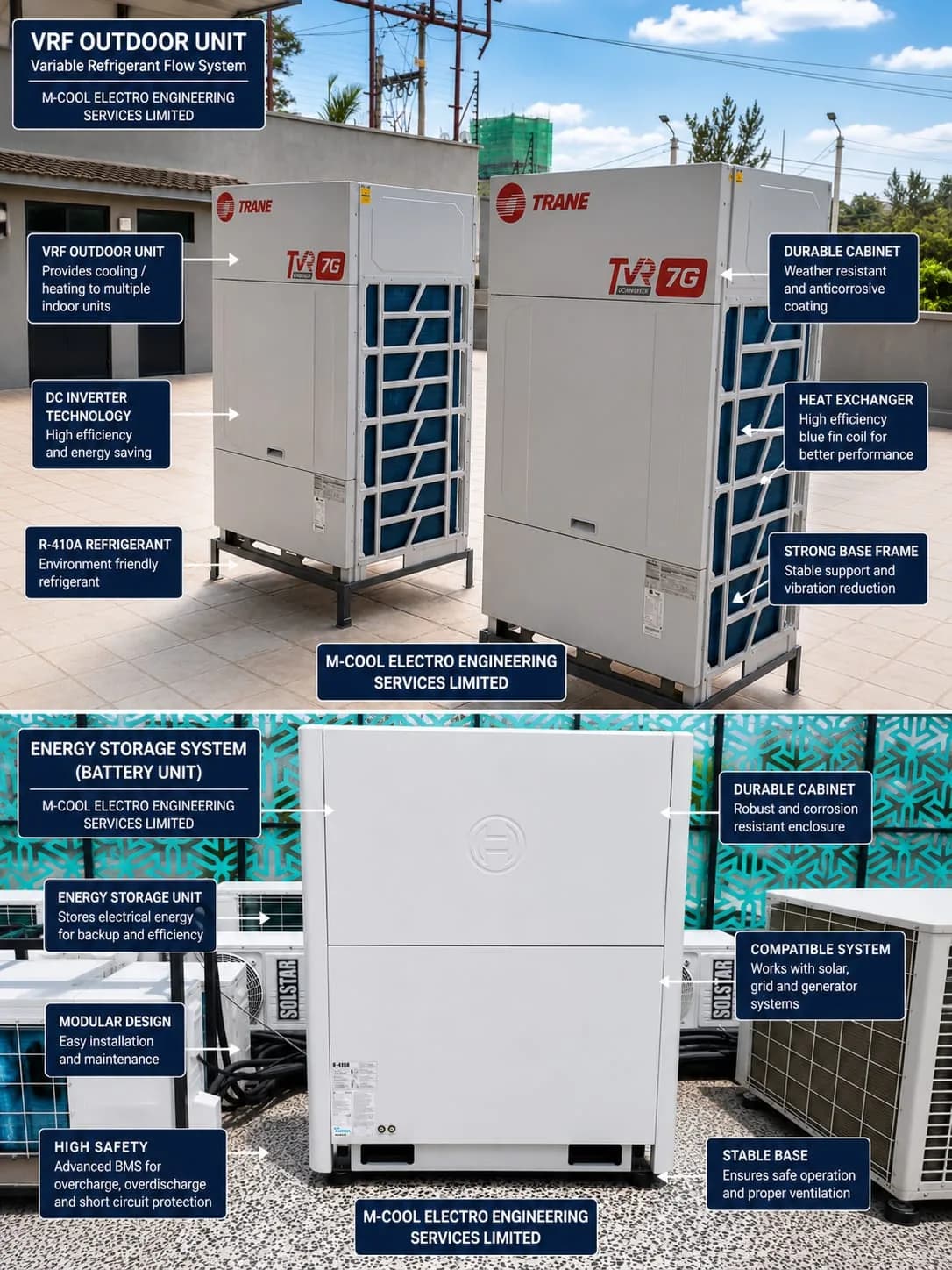
Different buildings need different air conditioning solutions. Split AC units are common for bedrooms, small offices, salons, apartments and single room spaces. Ceiling cassette AC units suit open plan offices, retail areas and restaurants where wall space is limited. Floor standing AC units work well in halls, churches, meeting rooms and spaces where wall mounting is difficult. Ducted AC systems serve several rooms through concealed ductwork, while VRF and VRV systems are suitable for hotels, office blocks, hospitals and multi zone buildings that require individual room control.
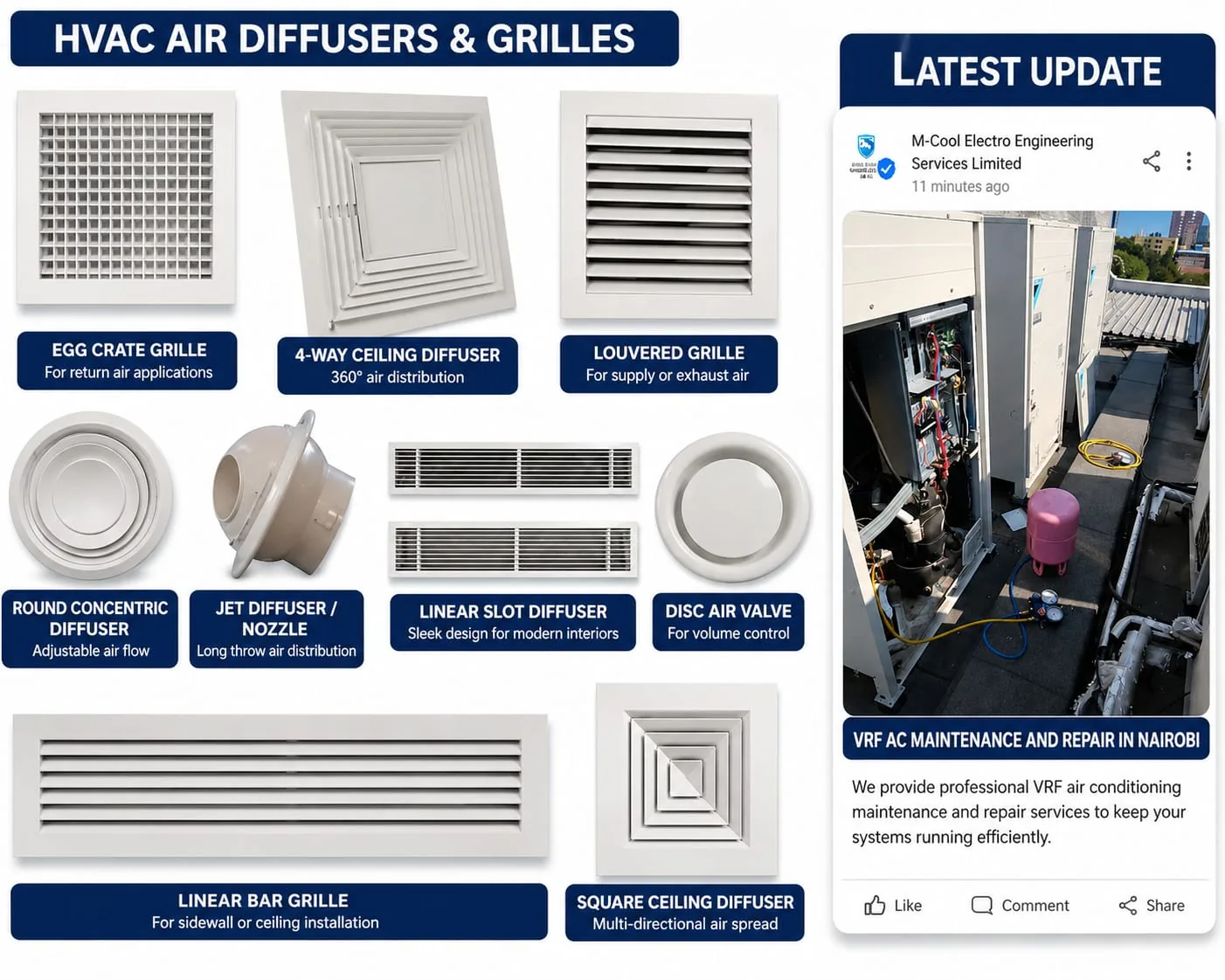
For larger buildings, AC installation should be planned together with ducting services, fresh air supply, exhaust systems and controls. A good design looks at comfort, airflow, noise, service access, electrical protection and long term maintenance. That approach is more reliable than buying units first and trying to force them into the building later.
Benefits of Correct AC Installation
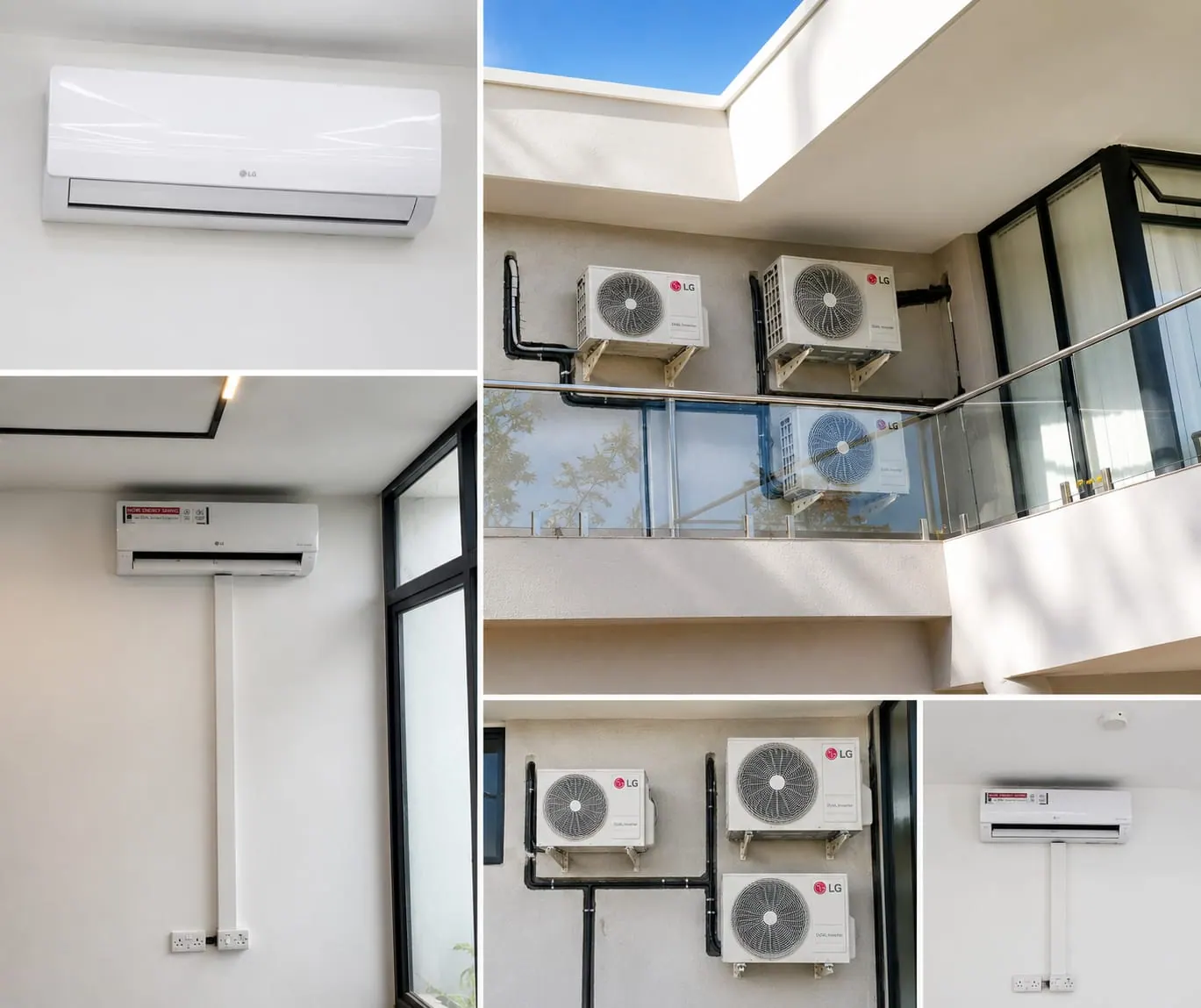
A correctly selected and installed AC system gives a room more than cold air. It maintains a steadier temperature, removes excess humidity, distributes air without uncomfortable hot and cold spots and operates with less strain on the compressor and fan motors. Clean pipework, correct refrigerant charging, an unrestricted condensate drain and secure electrical connections also reduce the risk of water damage, repeated faults and premature component failure.
For a home, these benefits mean quieter bedrooms, more comfortable living spaces and better control during hot afternoons. For an office or shop, stable cooling helps staff and customers remain comfortable while protecting computers, displays and other heat sensitive equipment. In hotels, clinics and restaurants, correct zoning allows occupied rooms to be cooled without running every indoor unit at the same setting. The practical benefit is a system that matches how the building is actually used.
Common AC Situations in Kenyan Homes and Businesses
A typical apartment situation is a bedroom that remains warm at night even after a small split unit has been installed. The cause may be incorrect capacity, poor outdoor unit ventilation, direct afternoon sun or a refrigerant pipe run that was not commissioned properly. A site assessment can separate a sizing problem from an installation fault before the owner spends money on another unit.
In an open office, restaurant or retail space, one wall unit may cool the area nearest to it while leaving other zones uncomfortable. A ceiling cassette, concealed ducted system or carefully designed multi split arrangement may distribute air more evenly. In a hotel or multi storey office, a VRF or VRV system can provide individual zone control, but it needs accurate pipe design, branch selection, controls setup and planned servicing. These examples show why the type of AC should follow the room layout and operating pattern rather than appearance alone.
Common AC Repair Problems
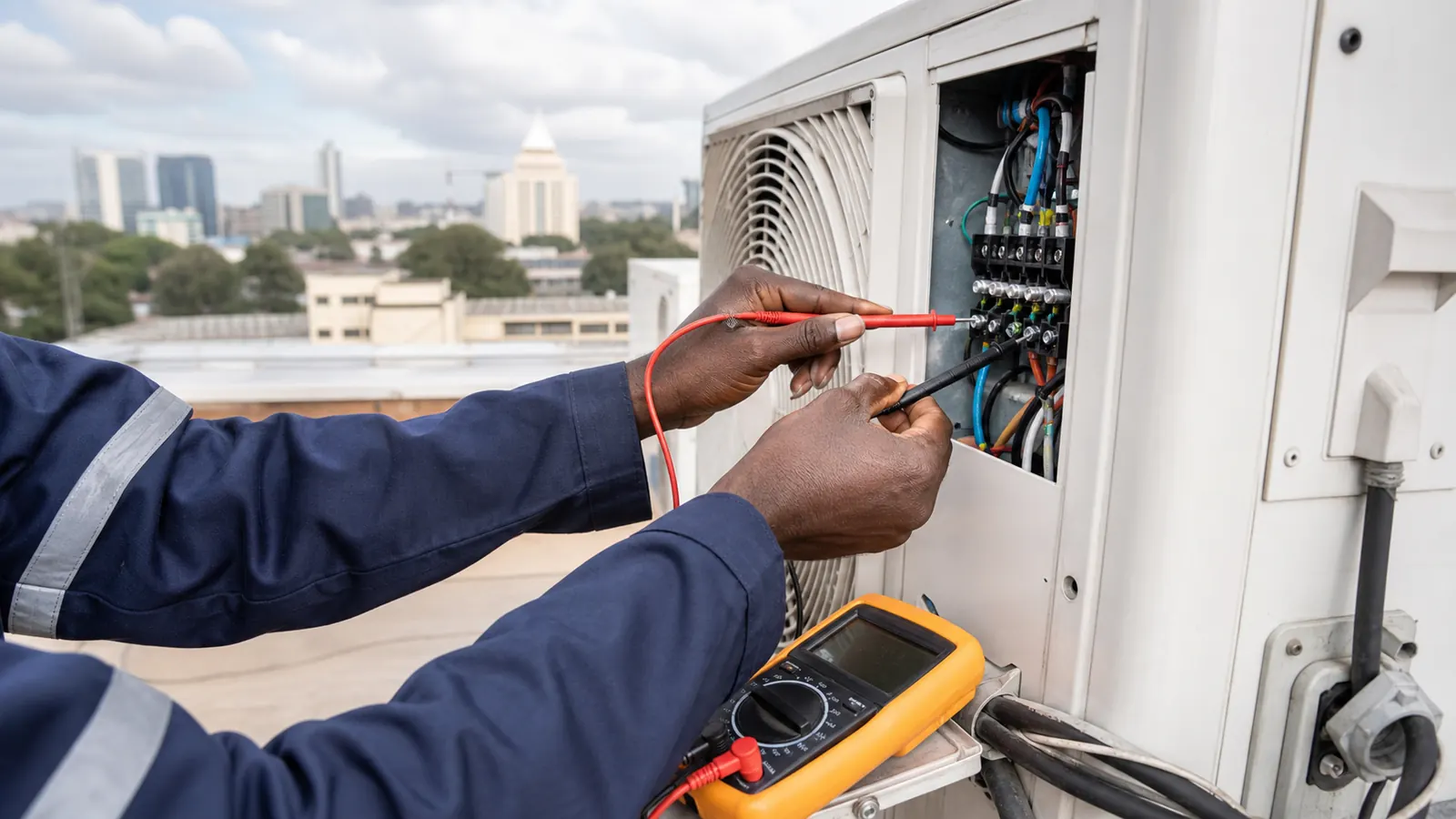
Most AC repair calls start with familiar symptoms: the unit is not cooling, water is leaking indoors, the system is making noise, the room smells musty, the breaker trips, ice forms on the coils or the electricity bill suddenly rises. These symptoms can be caused by blocked filters, dirty coils, low refrigerant, faulty capacitors, drain blockages, fan motor problems, compressor strain, thermostat faults or loose electrical connections.
A proper AC repair visit should begin with diagnosis. Replacing parts without testing can waste the client's money and leave the real fault unresolved. M-Cool technicians check airflow, refrigerant pressure, electrical condition, drainage, fan operation, coil condition and control response before recommending repair. This matters for both residential clients and commercial facilities that cannot afford repeated breakdowns.
Preventive AC Maintenance
Preventive maintenance is the cheapest way to protect an AC system. A regular service visit normally includes filter cleaning or replacement, indoor unit cleaning, outdoor condenser cleaning, evaporator coil washing, drain line clearing, refrigerant pressure checks, electrical inspection, fan motor inspection, thermostat calibration and performance testing.
Residential homes may need servicing every six to twelve months depending on use. Offices usually need service every three to six months. Restaurants, hospitals, clinics and dusty commercial environments often need more frequent attention. Where systems run for long hours, planned maintenance and aftercare is usually cheaper than emergency repair and lost operating time.
Residential and Commercial AC Services Across Kenya
M-Cool supports residential and commercial clients with split AC installation in Nairobi, ceiling cassette AC installation in Nairobi, ducted AC installation in Nairobi, floor standing AC installation in Nairobi and VRF AC installation in Nairobi. We also serve clients in Mombasa, Kisumu, Nakuru, Eldoret, Thika, Kiambu, Machakos, Kitengela, Naivasha, Nyeri, Meru, Kisii, Nanyuki, Embu, Kericho, Bungoma, Lodwar, Garissa and other parts of Kenya by arrangement.
Whether you are cooling a bedroom, apartment, office, hotel room, school, shop, hospital ward or production area, the goal is the same: correct equipment, clean installation, safe electrical work, neat drainage, proper testing and a maintenance plan that keeps the system reliable.
Why Choose M-Cool for AC Installation and Repair
M-Cool combines site assessment, engineering judgement, installation workmanship and aftercare support. Our team works with proven equipment brands and supports AC units, VRF systems, ducted systems, ventilation, refrigeration and cold rooms. Clients choose M-Cool because they want more than a quick installation; they want a cooling system that performs well, uses power responsibly and can be serviced properly in future.
If you need AC contractors in Nairobi or across Kenya, start with a proper assessment. Contact M-Cool Electro Engineering Services Ltd for residential and commercial AC repair, installation and maintenance services.